
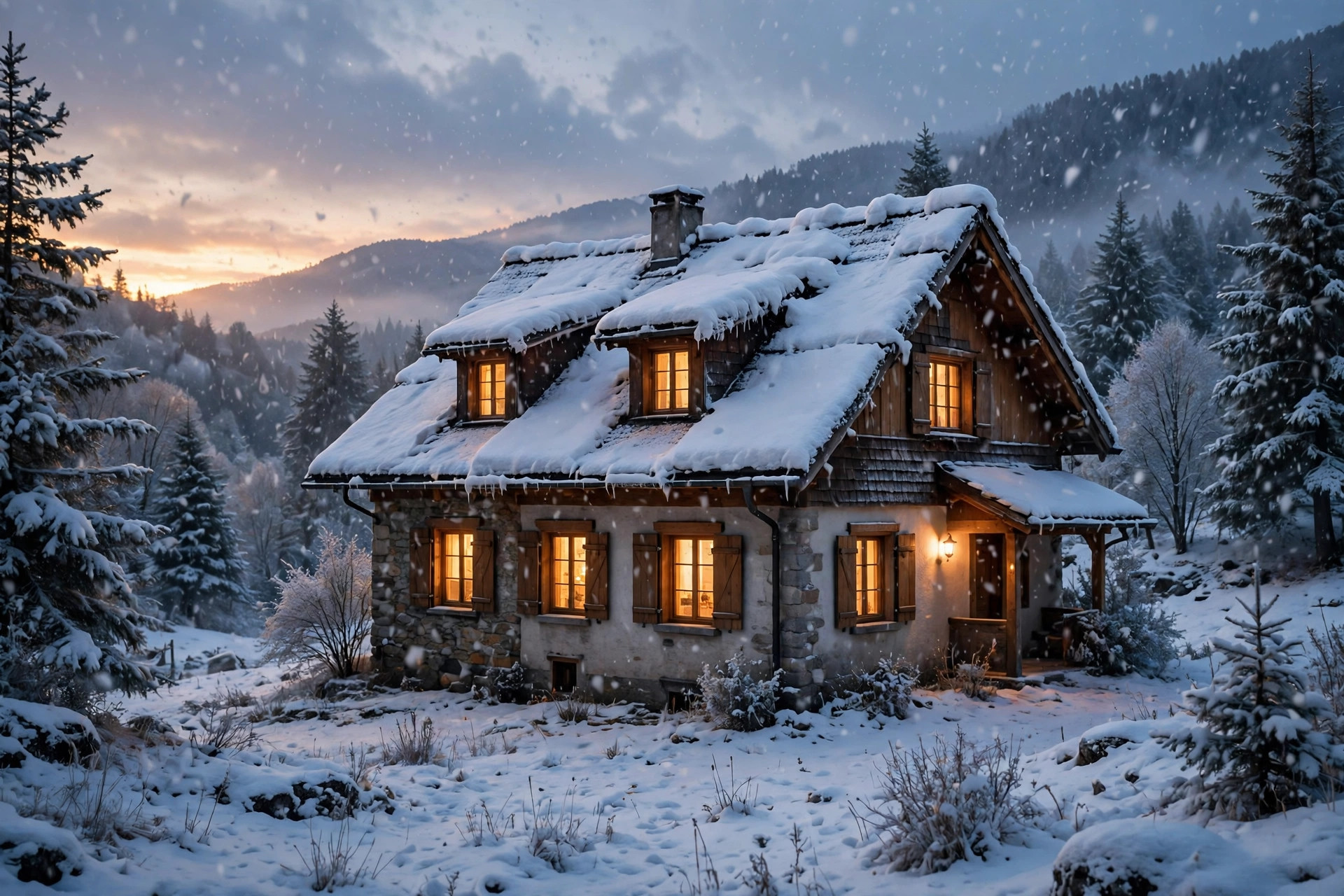
Learning how to prepare your home for a winter storm is one of the most useful things you can do before the cold season arrives. A winter storm can bring heavy snow, freezing rain, high winds and long power cuts, often all at once, and an unprepared home can suffer burst pipes, a failed heating system and costly water damage. Most of this damage is preventable: with a few weekends of steady work and a modest budget, you can protect your pipes, keep the heat in, and cope comfortably if the power goes out for a day or two.
Key Facts
- Winter storms can cause frozen and burst pipes, roof damage from ice dams, and power cuts lasting several days.
- Most preparation is cheap and simple: draught-proofing, pipe insulation and a basic emergency kit cover the biggest risks.
- Pipes in unheated spaces such as lofts, garages and crawl spaces are the most likely to freeze.
- A home emergency kit should cover at least 72 hours without power, water or heating.
- Heating systems should be serviced before winter, not during the first cold snap.
- Keeping your thermostat at a steady temperature, even when you are away, helps stop pipes freezing.
Start With a Whole-House Inspection
Before you buy anything, walk through your home with a notepad and look for the weak points. Check the loft for insulation gaps and cold draughts, look under sinks for exposed pipes, and inspect windows and external doors for gaps where cold air sneaks in. Pay attention to rooms that always feel colder than the rest of the house, because those are the places where pipes and walls are most exposed.
Outside, check the roof for missing or damaged tiles, clear the gutters and downpipes of leaves, and make sure water drains away from the foundations. Blocked gutters are a common cause of ice dams, where melting snow refreezes at the roof edge and forces water back under the tiles. Trim back any branches hanging over the roof or near power lines.
If you are working through a broader seasonal routine, our winter home checklist covers many of the same jobs in a handy order, so you can tick them off one by one.
Seal Draughts and Insulate
Draught-proofing is the cheapest way to make your home warmer and cheaper to heat. Fit draught excluders around external doors, add self-adhesive foam strips or brush seals to window frames, and seal gaps around pipework where it passes through external walls.
Window insulation film is another low-cost fix for older single-glazed windows: a clear plastic sheet stuck to the frame and shrunk tight with a hairdryer, creating an extra layer of trapped air. It is no substitute for double glazing, but it noticeably reduces cold draughts and condensation.

Loft insulation deserves special attention. Heat rises, and a poorly insulated loft lets a large share of your heating escape through the roof. Topping up thin or patchy insulation is a straightforward job for most homeowners. While you are up there, check that the loft hatch is insulated and sealed, and that any water tanks and pipes in the loft are wrapped in insulation.
Protect Your Pipes From Freezing
Frozen pipes are the single most expensive winter problem for many households. When water freezes it expands, and the pressure can split a pipe or a joint. The leak often only becomes obvious when the ice thaws, by which time water may have been running for hours.
The pipes most at risk are those in cold, unheated places: lofts, garages, basements, crawl spaces, and pipes running along external walls. Wrap them in foam pipe insulation, which is cheap and simply clips or tapes into place. Pay extra attention to bends and joints, where the insulation often leaves small gaps.
Our guide on how to prevent frozen pipes explains the full range of measures, from insulation to letting taps drip during extreme cold. If the worst has already happened, the steps in how to thaw frozen pipes will help you deal with it safely.
A few simple habits help too. On very cold nights, open the cabinet doors under kitchen and bathroom sinks so warm air can reach the pipes, and let a tap drip very slowly to keep water moving. If you go away for a few days, leave the heating on at a low but steady setting, usually around 12 to 15 degrees Celsius, and ask a neighbour to check the house.
Service Your Heating System
Your boiler or furnace is the heart of your winter defences, so get it serviced before the cold weather arrives. A qualified engineer will check for faults, clean the components and confirm the system is running efficiently. Heating engineers get very busy once the first cold snap hits, so book early in autumn.
Bleed your radiators so trapped air does not stop them heating fully, and check that thermostatic radiator valves are working. Keep the area around your boiler clear, and know where the shut-off valves are for your water, gas and electricity.
If you use a fireplace or wood-burning stove, have the chimney swept before the season starts. A blocked or dirty chimney is a fire risk and can push dangerous carbon monoxide back into the room. Fit carbon monoxide alarms near fuel-burning appliances and test them regularly, along with your smoke alarms.
Prepare for a Power Cut
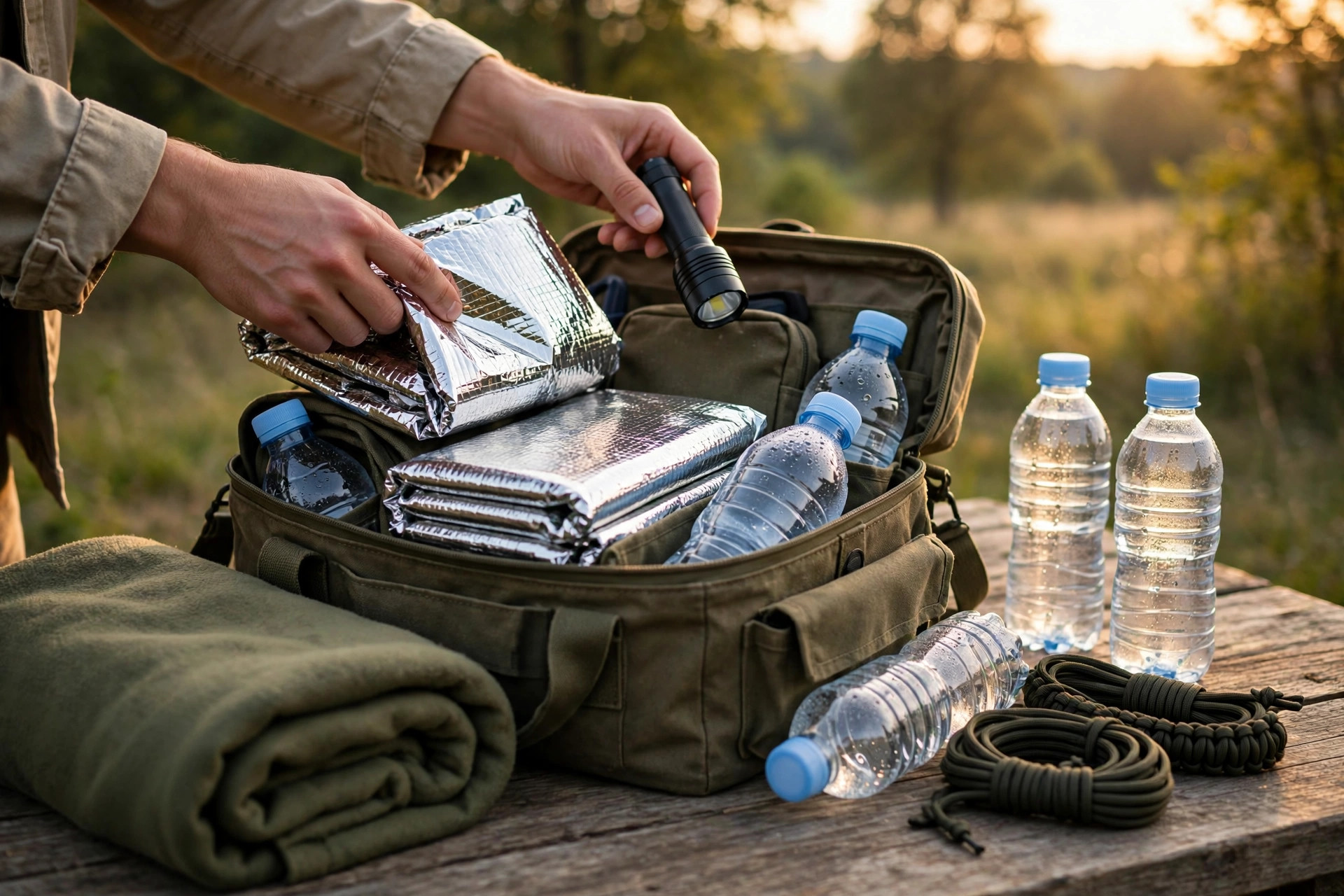
Power cuts are a common feature of severe winter storms, as snow, ice and wind bring down lines. Assume you may be without electricity for at least 72 hours and prepare accordingly. A basic emergency kit should include torches and spare batteries, a battery-powered or wind-up radio, a first aid kit, bottled water, non-perishable food, warm blankets and sleeping bags, and a portable phone charger kept fully charged.
Store at least three litres of drinking water per person per day, plus extra for washing, and keep essential medicines to hand with your phone fully charged.
A portable generator can be a lifesaver, but only if used safely. Never run one indoors, in a garage or near an open window, because the carbon monoxide it produces can kill; keep it outside, at least six metres from the house, and never refuel it while hot. The same applies to camping stoves and portable heaters: follow the manufacturer’s instructions and never leave them unattended.
Stock Up Before the Storm
When a storm warning is issued, do a final shop before the weather turns. Buy enough food for several days, focusing on items that need little or no cooking: bread, cheese, tinned food, dried fruit, nuts, cereal and long-life milk. Fill your car’s fuel tank, withdraw some cash in case card machines are down, and charge all phones, tablets and power banks.
Bring outdoor furniture, bins and anything loose inside, or tie it down — high winds can turn a garden chair into a projectile that breaks a window. Keep a snow shovel, a bag of grit or salt, and a windscreen scraper somewhere you can reach them easily.
Know What to Do During the Storm
Once the storm arrives, the best thing to do is stay indoors and stay warm. Dress in layers, use blankets, and keep to one room if you need to conserve heat. Avoid opening external doors more than necessary.
Conserve your phone battery by switching off unnecessary apps and reducing screen brightness. Listen to local radio or official alerts for updates on road closures and power restoration. Ready.gov’s winter weather guidance is a reliable source of official advice on staying safe before, during and after a winter storm, including what to keep in your emergency kit and how to recognise the signs of hypothermia and frostbite.
Watch for the warning signs of cold-related illness. Shivering, confusion, slurred speech and extreme tiredness can signal hypothermia, while numb, pale or waxy-looking skin may mean frostbite. Both need prompt medical attention.
After the Storm Passes
When the storm ends, check your home carefully before returning to normal. Look for leaks around windows, ceilings and pipes, and check the loft and basement for water. Clear paths and driveways, and spread grit or salt on icy surfaces.
If your pipes have frozen, thaw them slowly and carefully, and turn off the water at the mains if you find a burst pipe. Check on elderly neighbours and anyone living alone.
Frequently Asked Questions
How far in advance should I prepare my home for a winter storm?
Start in early autumn, well before the first frost. Insulation, draught-proofing and a boiler service are all easier and cheaper to arrange before tradespeople get busy.
What is the most important thing to protect during a winter storm?
Your pipes. A burst pipe can cause thousands of pounds of water damage in a single night. Insulate exposed pipes, keep the heating on at a low steady temperature, and know where your main water shut-off valve is.
Should I leave the heating on if I go away in winter?
Yes. Leave it on a low setting, around 12 to 15 degrees Celsius, rather than switching it off entirely. The small cost of running the heating is far less than the cost of repairing burst pipes and water damage.
How much water and food should I store for a winter storm?
Plan for at least 72 hours. That means about three litres of drinking water per person per day, plus extra for washing, and enough non-perishable food for three days of meals. Choose food that needs little or no cooking in case the power is out.
Is it safe to use a generator during a power cut?
Only outdoors, at least six metres from the house, and never in a garage or near windows. Generators produce carbon monoxide, which is colourless and odourless and can be deadly indoors. Never refuel a generator while it is running or hot.
What should I do if my pipes freeze?
Turn off the water at the mains if you suspect a burst, then thaw the frozen section slowly with a hairdryer or warm towels. Never use a naked flame. If a pipe has split, call a plumber.
Leave a Reply