
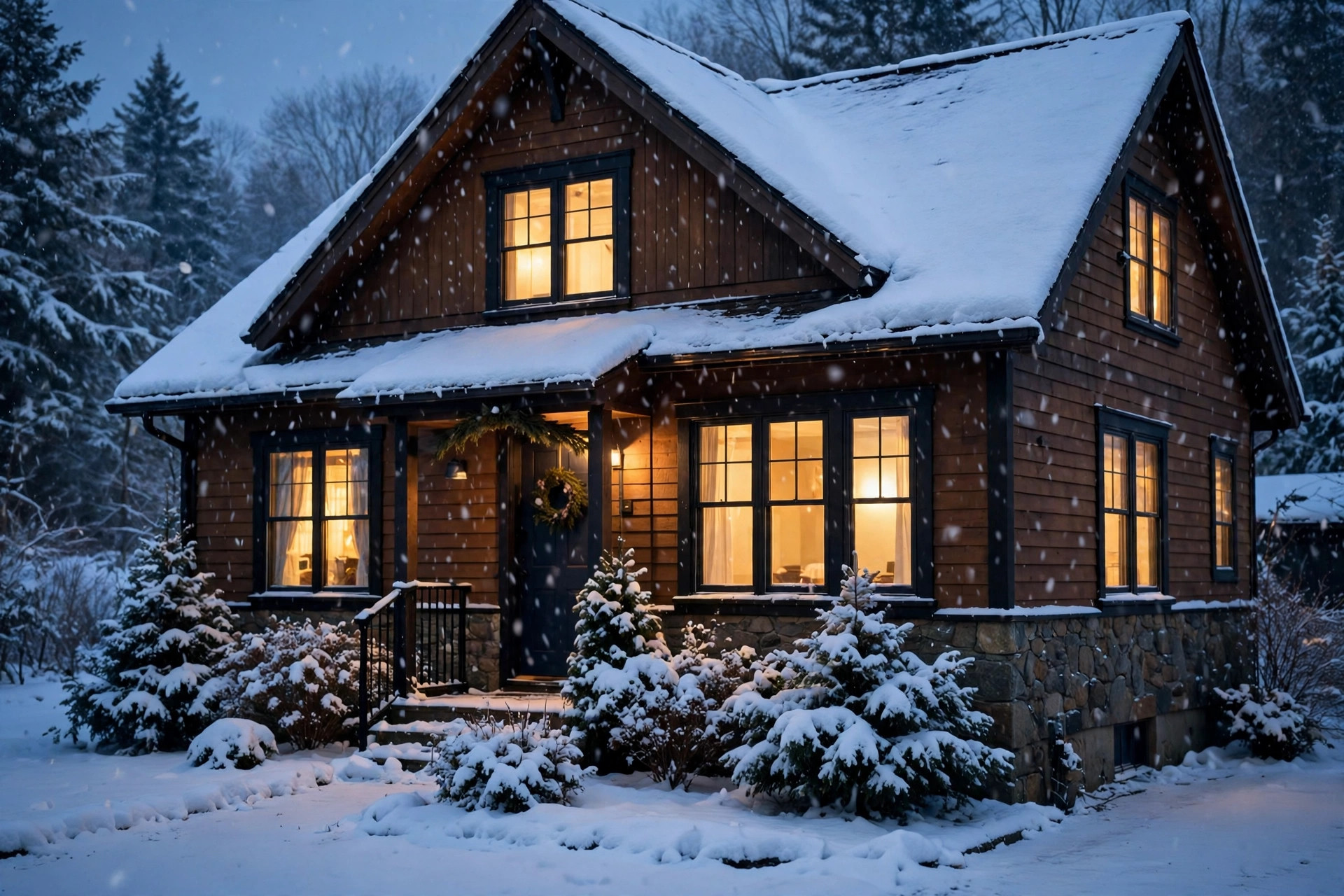
Learning how to winterize your home before the cold sets in is one of the best investments you can make in comfort, safety, and lower energy bills. Winterizing means preparing your house for freezing temperatures, snow, ice, and storms — sealing drafts, protecting pipes, checking your heating, and sorting the outside of your home while the weather is still mild.
Key Facts
- Winterizing in autumn costs far less than emergency repairs in mid-winter.
- Sealing drafts and adding insulation can noticeably cut heating bills.
- Pipes can freeze when temperatures drop below 20 degrees Fahrenheit (about minus 7 Celsius).
- Heating systems should be serviced once a year, ideally before the first cold snap.
- Gutters full of leaves can cause ice dams, which lead to roof leaks.
- A winter emergency kit should include torches, batteries, blankets, water, and food.
Start With a Walk-Around Inspection
Begin with a slow walk around the outside of your home. Look at the roof for loose or missing tiles, check the gutters for leaves and damage, and inspect the walls for cracks. Small problems found in autumn are cheap to fix; the same problems in January are expensive.
Clean the gutters and downspouts thoroughly. Leaves and debris block water flow, and trapped water can freeze, form ice dams, and push moisture under the roof. Trim back tree branches that hang over the roof or near power lines.
Check that soil slopes away from the foundations so rain and melting snow drain off rather than pooling against the walls, and clear leaves from drains and window wells.
Seal Drafts Around Doors and Windows
Drafts are the biggest source of wasted heat in most homes. On a windy day, run your hand around window and door frames and feel for cold air, or hold a lit candle near the frame and watch for the flame flickering — a simple test that shows exactly where air is leaking in.
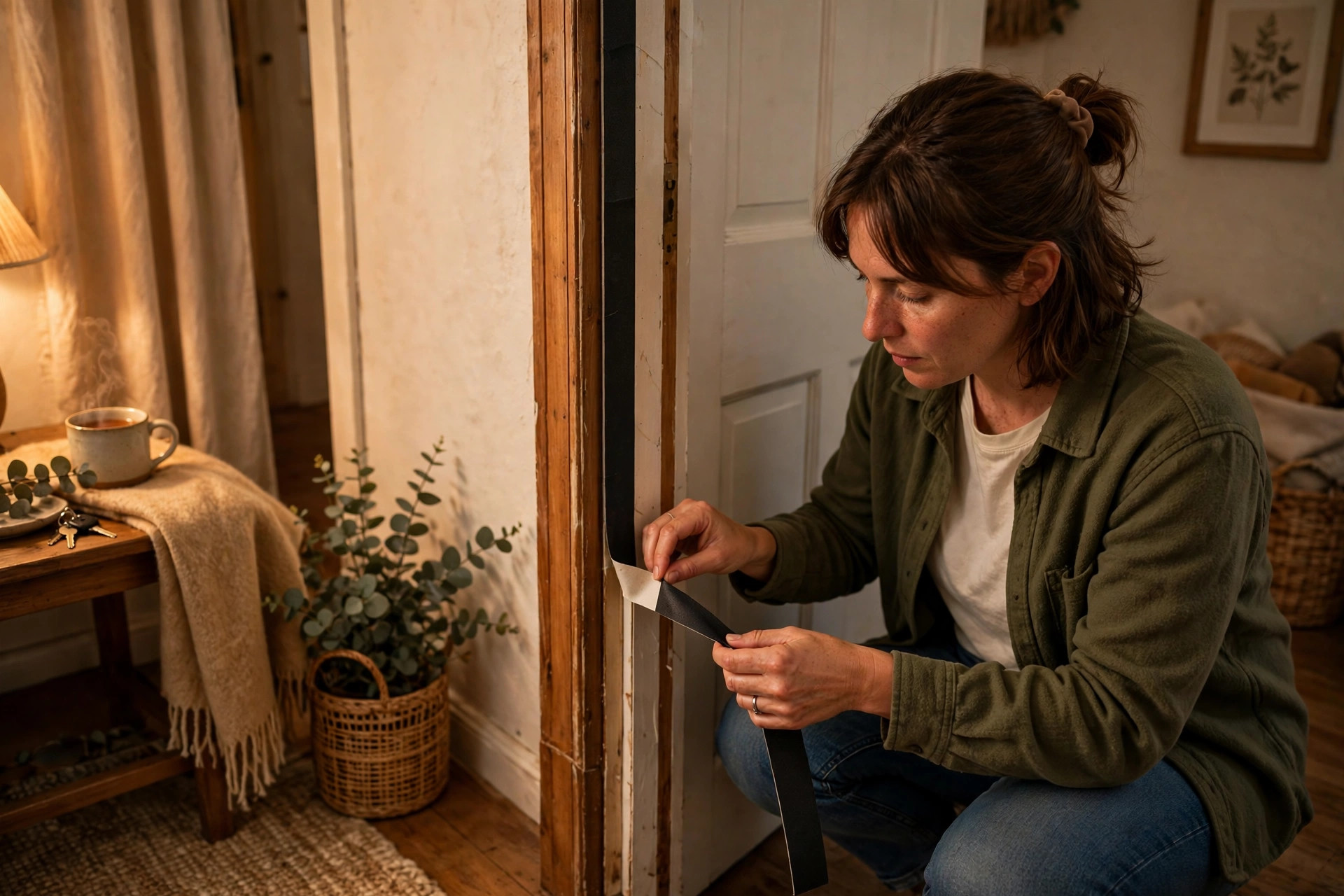
Fit weather stripping around doors and windows that leak, and seal gaps with caulk. Replace worn door sweeps, and consider a draft excluder for exterior doors.
Do not forget the less obvious gaps: around pipes and cables where they enter the house, around the attic hatch, and around letterboxes and pet flaps. For more ways to keep warm without turning the heating up, see our guide on how to keep your house warm without heating.
Protect Your Pipes
Frozen pipes are one of the most common and most expensive winter disasters. Insulate every exposed pipe in unheated spaces — the basement, crawl space, attic, and garage — with foam pipe sleeves.
Disconnect garden hoses, drain them, and store them away. If your home has a shut-off valve for outdoor taps, close it and open the tap to drain the remaining water, then fit an insulated tap cover. Inside the house, open the cabinet doors under sinks on exterior walls during cold snaps so warm air can reach the pipes.
Learn where your main water shut-off valve is before winter, and show everyone in the household. If a pipe does freeze, knowing what to do quickly matters — our guide on how to thaw frozen pipes explains the safe steps. If a pipe bursts, turning off the water immediately is the single most important action you can take.
Service Your Heating System
Your heating system works hardest in winter, so give it a check-up before the cold arrives. Book a professional service for your boiler or furnace, including a safety check for gas appliances. A serviced system runs more efficiently and is less likely to break down on the coldest night of the year.
At home, bleed your radiators so they heat evenly, and check that vents and radiators are not blocked by furniture or heavy curtains. Replace the filter in a forced-air system, and test your thermostat.
Check your smoke alarms and carbon monoxide detectors at the same time, and replace the batteries. If you use a fireplace or wood stove, have the chimney swept and check that the flue opens and closes properly.
Check Insulation and the Attic
Good insulation keeps heat in and cold out, and the attic is the most important place to check. Heat rises, so a poorly insulated attic lets warm air escape straight through the roof. Look for gaps, compressed insulation, or bare patches, and top up insulation where needed.
Insulate the hot water tank and the first stretch of hot water pipe leaving it, which reduces heat loss and means hot water arrives faster at the tap. If your home has a crawl space, check that its insulation is in place and that vents can be closed for winter.
While you are in the attic, check for signs of damp, mould, or pests. If you use the attic for Christmas decorations, this is a good moment to sort them — our guide on how to store Christmas decorations will help you pack them so they survive the year.
Prepare the Outside of Your Home
Winter weather is hard on the outside of a house. Drain and shut off outdoor taps, and store hoses away. If you have a sprinkler system, drain it or have it blown out by a professional.
Check paths, steps, and the driveway for cracks that water can get into and freeze. Stock up on grit or salt for icy paths, and keep a snow shovel somewhere easy to reach — not buried at the back of the garage.
Bring in or cover anything that cold and damp will damage: garden furniture, barbecues, frost-tender potted plants, and outdoor cushions.
Stock a Winter Emergency Kit
Winter storms can cut power, block roads, and close shops. A small emergency kit means your household can cope comfortably for a day or two: torches and spare batteries, a battery-powered radio, blankets and warm clothing, bottled water, food that needs no cooking, and a phone charger.
The federal government’s Ready.gov’s winter weather safety guidance recommends building an emergency kit and making a family plan before a storm arrives, including knowing how to stay warm and get information if the power goes out.
Do a Final Heating and Safety Check
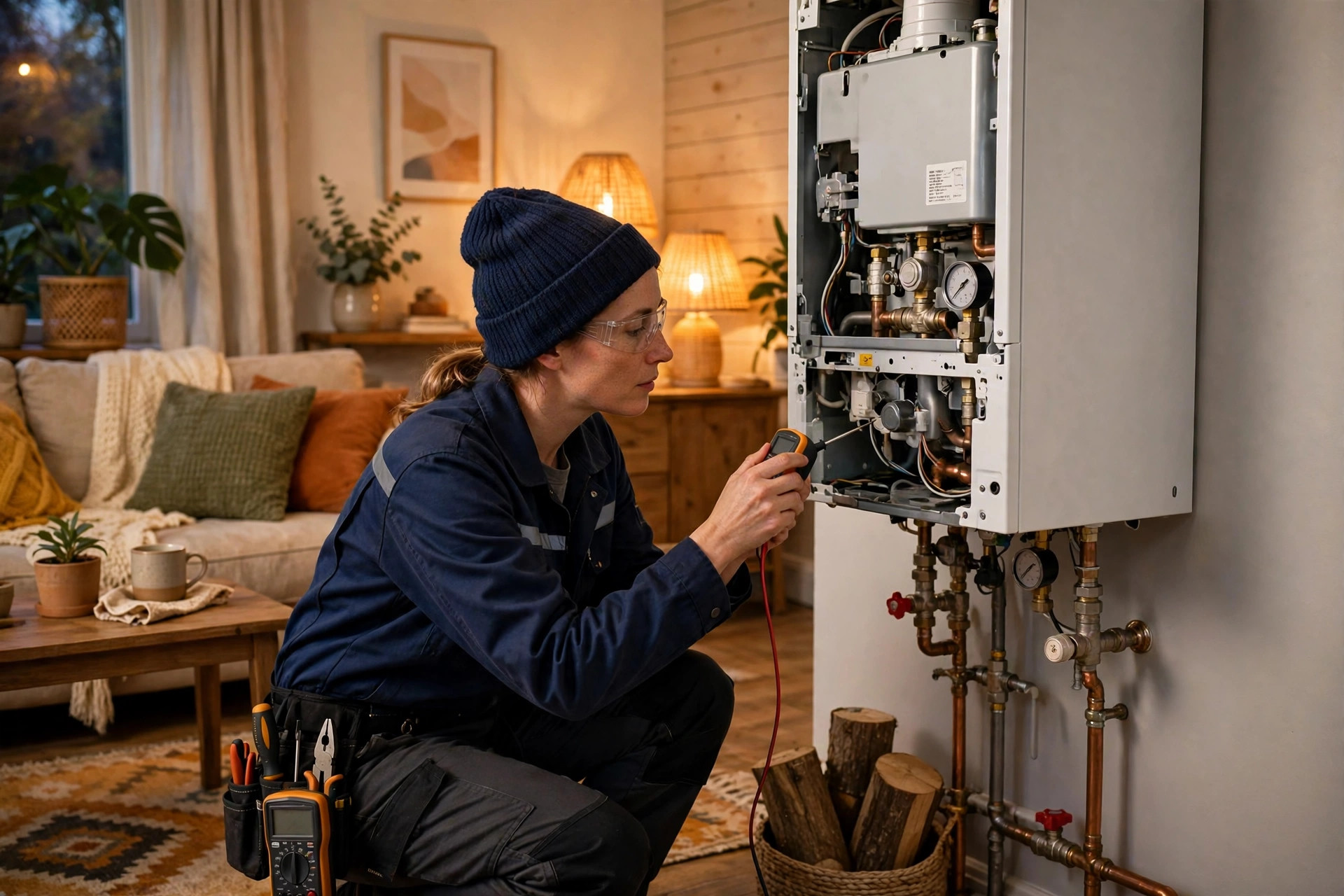
Before the first frost, run your heating for an hour and check that every radiator warms up and every room reaches a comfortable temperature. Listen for unusual noises, and book a repair if anything sounds wrong.
Walk through the house one last time with your checklist. Are the drafts sealed? Are the pipes insulated? Are the hoses stored and the outdoor taps covered? Are the smoke and carbon monoxide alarms working? Is the emergency kit packed? A final walk-through takes twenty minutes and gives you the confidence that your home is ready.
Winterizing your home is a series of small, simple tasks that add up to a warm, safe, and efficient house all winter long. Start early and work through the list room by room.
Frequently Asked Questions
When should I start winterizing my home?
Start in autumn, ideally in October or early November, before the first hard frost. Early preparation means you can work in mild weather and fix problems while they are still small and cheap.
What is the most important winterizing task?
Protecting your pipes and servicing your heating system are the two highest priorities. A burst pipe or a broken boiler in mid-winter is expensive and disruptive, while both are largely preventable with a little autumn preparation.
How much can winterizing save on heating bills?
Savings vary by home, but sealing drafts and topping up insulation typically make a noticeable difference. The biggest saving is avoiding emergency repairs: a burst pipe can cost thousands of dollars in water damage alone.
Do I need a professional to winterize my home?
Most tasks — sealing drafts, insulating pipes, cleaning gutters — are simple do-it-yourself jobs. Book a professional for boiler or furnace servicing, chimney sweeping, and any electrical or gas work.
Should I keep the heating on when I go away in winter?
Yes. Keep the thermostat set to at least 55 degrees Fahrenheit (about 13 Celsius) while you are away, and ask someone to check the house if you will be gone for more than a few days. A cold, empty house is at high risk of frozen pipes.
What should be in a winter emergency kit?
Torches and batteries, a battery radio, blankets and warm clothes, bottled water, food that needs no cooking, a phone charger, and any essential medication. Keep the kit somewhere easy to reach, and check it each autumn.
Leave a Reply