
Traditional Kwanzaa foods center on the Karamu feast of December 31: soul food classics like fried chicken, collard greens, mac and cheese, black-eyed peas, and sweet potato pie, alongside African dishes like jollof rice, peanut stew, and plantains. There’s no fixed menu — the tradition is abundance, heritage, and cooking together. Below is a full Karamu menu plan plus the food customs for the rest of the week.

Key Facts
- The big meal: Karamu, the feast of the sixth night (Thursday, December 31, 2026), is Kwanzaa’s culinary centerpiece.
- The style: soul food + African diaspora dishes — heritage cooking, served family-style.
- Symbolic foods: the mazao (crops — fruits and vegetables) on the display honor the harvest; corn (muhindi) represents children.
- All week: families share at least a small meal or snack at each evening gathering, Dec 26–Jan 1.
- Drinks: the Unity Cup (kikombe cha umoja) is passed for a shared toast; many families also serve hibiscus or sorrel drinks.
Quotable: “Karamu isn’t dinner — it’s a declaration: we are here, we are together, and there is plenty.”
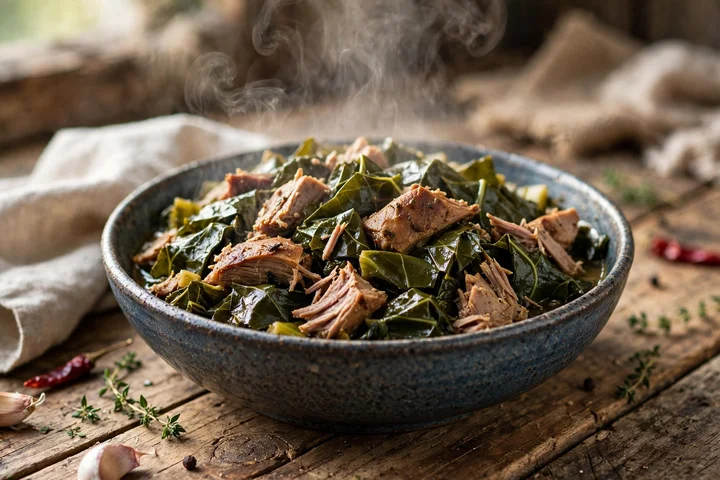
The Karamu Feast: Full Menu Plan
Karamu is traditionally a potluck-style feast — guests bring dishes, and abundance is the point. Here’s a balanced menu covering every course:
Mains (pick 2–3):
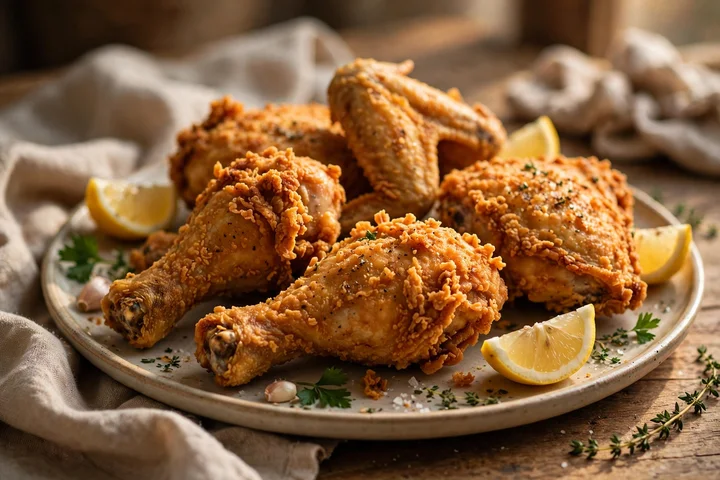
- Fried chicken or smothered chicken
- Baked ham or roast turkey
- Oxtails or short ribs, slow-braised
- Jollof rice (West African party staple — feeds a crowd)
- Peanut stew with chicken or vegetables (maafe)
Sides (pick 4–5):
- Collard greens with smoked turkey
- Mac and cheese (baked, with a crust)
- Black-eyed peas (good luck and heritage in one bowl)
- Candied yams or sweet potato casserole
- Cornbread or hoe cakes
- Fried plantains or plantain chips
- Okra (fried, or in gumbo)
Salads & fresh:
- A big harvest salad with roasted squash and pomegranate
- Fruit platter (ties to the mazao harvest symbolism)
Desserts (pick 2–3):
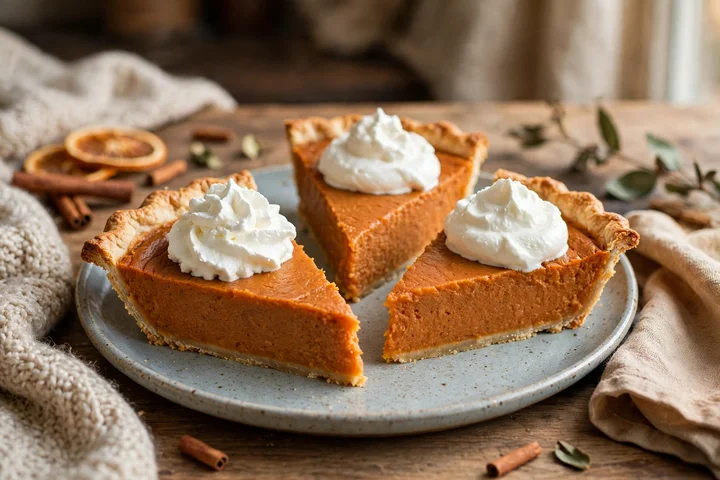
- Sweet potato pie
- Peach cobbler
- Red velvet cake
- Banana pudding
- Benne seed cookies (West African heritage — benne = sesame)
Drinks:
- Sorrel or hibiscus punch (deep red, festive, and traditional across the diaspora) — steep dried hibiscus with ginger, cloves, and orange peel, sweeten to taste, and serve over ice; it keeps three days refrigerated and tastes better on day two.
- Sweet tea, lemonade
- The Unity Cup toast: juice, wine, or water shared from the kikombe cha umoja
The History on the Plate: Where Kwanzaa Foods Come From
Kwanzaa foods tell a story that starts long before the holiday itself. Many of the dishes on a Karamu table trace back to West Africa: okra, black-eyed peas, peanuts, and yams all crossed the Atlantic with enslaved Africans, who carried seeds and cooking knowledge with them and rebuilt their food traditions under brutal conditions. Collard greens descend from African leafy greens cooked with smoked meats, and the pot liquor left behind — the vitamin-rich broth from simmering greens — became a prized food in its own right. Jollof rice, now a point of friendly rivalry between Nigeria and Ghana, is a direct link to the continent, while peanut stew (maafe) comes from the same West African groundnut traditions. Soul food, the other half of the table, grew out of the American South, where Black cooks turned inexpensive ingredients — chicken, pork, cornmeal, and sweet potatoes — into a cuisine of extraordinary richness. Karamu puts both traditions on one table on purpose: the meal is a map of the diaspora, from Africa to the American South and back again. When you serve jollof rice next to mac and cheese, you are not just feeding people — you are telling them where they come from. The official Kwanzaa website also covers the Karamu feast and its place in the week.

Leftover Magic (January 1 and Beyond)
Karamu is designed to produce leftovers — that’s a feature. January 1 traditionally runs on them: collard greens and black-eyed peas reheat perfectly, fried chicken is excellent cold, and leftover mac and cheese becomes next-day lunch. Pack guests to-go boxes (a genuinely loved Karamu custom); it extends the hospitality past midnight and means the host isn’t eating turkey for a week alone. Freeze what’s left in meal-sized portions — future you, mid-January, will be grateful.
Food Customs Through the Week
Karamu gets the glory, but food runs through all seven days:
- Every evening gathering includes at least a shared snack or dessert after the candle lighting — the principle discussion happens over food.
- The mazao bowl of fruits and vegetables sits on the display all week as a harvest symbol; families often eat from it and replenish it.
- Cooking together is itself a Kwanzaa activity — the Ujima (collective work) and Kuumba (creativity) principles in action. Kids can stir, season, and shape.
- January 1 is often a relaxed leftovers-and-reflection day: Karamu’s abundance stretches into the new year, which feels exactly right.
New to the whole week? Our beginner’s guide to celebrating Kwanzaa covers the nightly rhythm, and what Kwanzaa is explains the principles behind the customs.

Karamu Cooking Timeline
Feeding a crowd on December 31 takes planning. Work backward from dinner:
Two days before (Dec 29): shop for everything non-perishable; brine the turkey or chicken if you’re roasting; make pie dough and refrigerate; cook the black-eyed peas (they reheat beautifully).
Day before (Dec 30): bake pies and cakes; prep collard greens (wash, chop, start the low simmer); make mac and cheese up to the baking step and refrigerate; marinate meats; chop all vegetables and store in containers. If guests are bringing dishes, confirm who’s bringing what tonight.
Morning of (Dec 31): get the turkey or ham in the oven early; assemble and bake the mac and cheese; start the oxtails or short ribs if you haven’t; set up the drinks station (sorrel punch can be made a day ahead — it improves overnight).
Afternoon: fry the chicken last (it’s best fresh); warm the breads; finish the greens; set the table — dress it in the Kwanzaa colors while the oven does the work. Everything should hit the table within the same 20-minute window.
The golden rule: nothing that needs last-minute attention should be your centerpiece. Karamu is for celebrating, not for standing over a fryer while everyone else toasts.
Hosting Tips for Karamu Night
- Go potluck. Assign categories (mains, sides, desserts, drinks) so no one cooks everything. The shared effort is the Ujima principle.
- Cook one heritage dish. Even if the rest is simple, one recipe from your family’s roots — a grandmother’s greens, a father’s ribs — anchors the meal.
- Set the table in the colors. Red, black, and green linens and candles for the full look.
- Build in the ritual. Before eating: the Habari gani? greeting, the ancestor honor, the Kuumba candle lighting, the unity-cup toast. Then feast.
- Make room for story. Karamu traditionally includes music, poetry, and storytelling between courses — plan a loose program, not just a meal.
- Coordinate the potluck in writing. A shared list (who brings what, serving size, arrival time, reheating needs) prevents the classic failure mode: four mac-and-cheeses and no main. Assign the anchor dishes yourself — turkey or ham, one starch, one green — and let guests fill around them. Ask about dietary needs up front; a clearly labeled vegetarian main (peanut stew and jollof rice both adapt beautifully) keeps everyone at the table.
Vegetarian, Vegan, and Allergy-Friendly Kwanzaa Foods
Not everyone at the Karamu table eats meat, and the tradition has room for all of them — abundance means everyone eats well, not just everyone eats the same thing. The good news is that much of the Kwanzaa table adapts naturally. Jollof rice and peanut stew are both excellent vegetarian mains (use vegetable stock and skip the meat), and peanut stew is vegan as written if you leave out any chicken. Collard greens cooked with smoked paprika and a little liquid smoke — instead of smoked turkey — taste just as deep and smoky. Black-eyed peas are already vegan. For the mac and cheese, a cashew-based or store-bought vegan cheese sauce works, or simply offer a second starch like roasted sweet potatoes so no one feels like an afterthought. Label dishes clearly with small cards noting vegan, vegetarian, gluten-free, or contains nuts — peanut stew and benne seed cookies both contain allergens people need to know about. And ask guests about dietary needs when you send the potluck assignments, not on the night itself: a clearly marked vegetarian main on the table says everyone belongs here, which is exactly what Karamu is about.

Frequently Asked Questions
What is Karamu?
Karamu is the Kwanzaa feast held on the sixth night, December 31 (the day of Kuumba/Creativity). It’s the largest gathering of the week, with abundant food, music, dance, and storytelling.
What food do you eat on Kwanzaa?
Soul food and African diaspora dishes: fried chicken, collard greens, mac and cheese, black-eyed peas, candied yams, cornbread, jollof rice, peanut stew, plantains, sweet potato pie, and peach cobbler are all traditional choices.
Is there a traditional Kwanzaa menu?
No fixed menu — the tradition is abundance and heritage cooking, not specific dishes. Families cook the foods of their own African-American or African heritage.
What do you drink on Kwanzaa?
The Unity Cup (kikombe cha umoja) is passed for a shared toast each evening. Sorrel/hibiscus punch, sweet tea, and lemonade are popular accompaniments at the feast.
Do you eat the mazao (crops) from the display?
Many families do — the fruit bowl is replenished through the week. The symbolism (harvest, collective work) is in the sharing, not in preserving the display untouched.
What desserts are traditional for Kwanzaa?
Sweet potato pie, peach cobbler, red velvet cake, banana pudding, and benne seed cookies — heritage baking with West African and Southern roots.
Can you make a vegetarian Karamu feast?
Yes — and it is easier than most people expect. Jollof rice, peanut stew, collard greens, black-eyed peas, candied yams, cornbread, and fried plantains can all be vegetarian, and several are vegan as written. The key is one hearty vegetarian main — peanut stew or a big pan of jollof rice — so vegetarian guests have a centerpiece, not just side dishes.
How many people does a Karamu feast serve?
Plan for the number you invited plus a few more — Karamu is built on abundance, and potluck guests often bring extras. A good rule is one main dish per six to eight guests, a side per four to five, and at least two desserts. If you are hosting ten people, two mains, four or five sides, and two desserts will leave you with the traditional leftovers for January 1.
What is the Unity Cup toast?
The kikombe cha umoja, or Unity Cup, is passed around the table each evening of Kwanzaa, and everyone takes a sip or a symbolic touch to the lips. The cup is filled with water, juice, or wine depending on the family. The toast honors ancestors and affirms unity before the meal begins — at Karamu it usually opens the feast itself.
Leave a Reply