
These winter bucket list ideas for families cover 25 activities for January through March — split by age, priced per activity, with a snow version and a no-snow version for every outdoor idea. Print the checklist at the end, stick it on the fridge, and check off one or two activities a week. Winter is long; a list is how you make it feel like an adventure instead of a wait for spring.
January arrives, the holidays are over, and winter stretches out — three more months of cold, dark evenings and kids bouncing off the walls. That post-holiday stretch is exactly when winter bucket list ideas for families earn their keep. A good list does three things: it gives the kids something to look forward to, it gives parents a plan instead of a nightly negotiation, and it turns the season into a set of memories instead of a countdown. This list is curated, not endless — 25 activities that real families actually do, split by age so a toddler and a twelve-year-old can both find their thing, with the cost of each one and a no-snow version for every outdoor idea, because not every family lives where it snows.
Key Facts
- The best winter bucket list has 20–30 activities — enough for one or two a week from January to March.
- Split activities by age: toddlers (2–4), kids (5–8), and tweens (9–12) want different things.
- Most great winter activities are free or under $10 — snow, cardboard, and a kitchen cost almost nothing.
- Every outdoor activity below has a no-snow version, so the list works anywhere.
- A printed checklist on the fridge gets used; a list in a phone note does not.
- Cold-weather safety matters: layers, dry clothes, and a warm-up plan, especially for younger kids.
Why Plan Out the Rest of Winter?
Three reasons. First, anticipation: kids who know Saturday holds a sledding trip or a cocoa bar behave better all week than kids who hear “maybe we’ll do something.” Second, bonding: shared activities are the memories children keep — nobody remembers the January they watched television, but they remember the snow fort. Third, mood: winter is hard on everyone, and a plan is a small defense against the post-holiday blues. A list turns “what should we do today?” from a daily argument into a quick pick from the fridge.
Outdoor Adventures: Embracing the Snow and the Chill
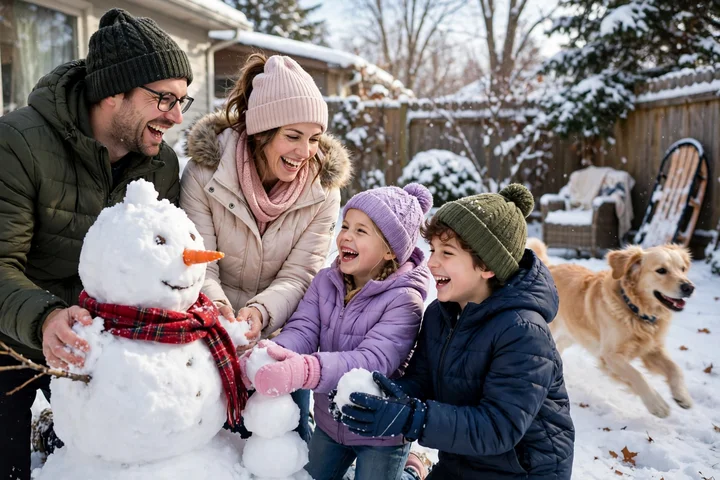
1. Build a Snowman (or a Snow Family)
The classic, and still the best first activity of January. Roll three balls, stack them, and let the kids decorate with a carrot, buttons, and a scarf. Ages: all. Cost: free. No-snow version: build a snowman from white socks stuffed with rice, or from stacked cardboard boxes painted white.
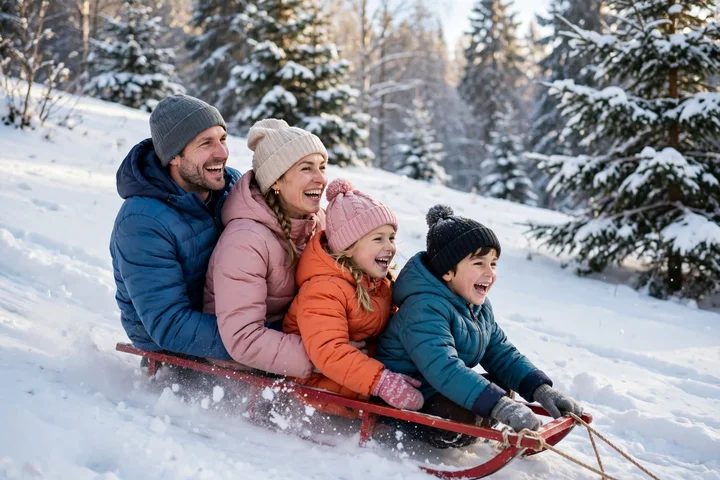
2. Sledding
A gentle hill, a cheap plastic sled, and an afternoon. Check the hill first for trees and fences, and always send kids down feet-first. Ages: 5+. Cost: free with a borrowed sled, $10–$20 to buy one. No-snow version: cardboard sledding on a grassy hill, or a “sled” of flattened boxes down the stairs (with cushions at the bottom).
3. Snowball Fight (With Rules)
Set boundaries, ban face shots, and build a snow fort first so there is something to defend. Twenty minutes of organized chaos beats an hour of unstructured cold. Ages: 5+. Cost: free. No-snow version: indoor snowball fight with rolled-up white socks.
4. Make Snow Angels
Lie down, sweep arms and legs, stand up carefully. The trick is getting up without wrecking the angel — roll to the side. Ages: all. Cost: free. No-snow version: chalk angels on the driveway, traced around a child lying on the pavement.
5. Winter Nature Hike
A short trail walk with a mission: find five animal tracks, three kinds of bark, one frozen puddle. Kids who walk with a job walk happily. Ages: 5+. Cost: free. No-snow version: a neighborhood scavenger hunt with a printed list.
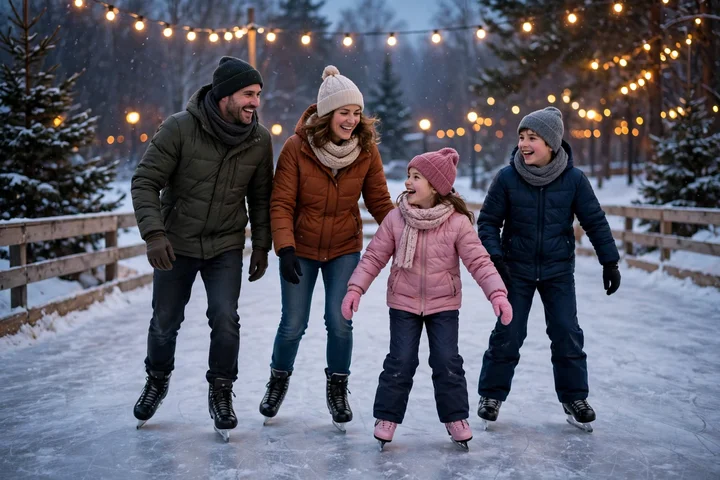
6. Ice Skating
An outdoor rink, a frozen pond (only where it is officially declared safe), or an indoor rink on a cold day. Rent skates, hold hands, fall down laughing. Ages: 5+. Cost: $5–$15 per person with rentals. No-snow version: roller skating at a rink, or sock-skating on a smooth kitchen floor.
Indoor Crafts: Cozy Creativity on Chilly Days
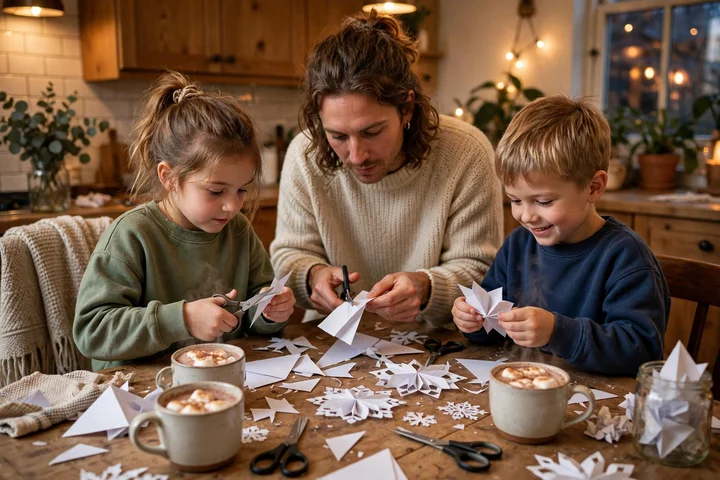
7. Paper Snowflakes
Fold, cut, unfold — the simplest winter craft and still the most magical. Hang them in the windows with tape. Ages: 4+. Cost: free. Toddler version: pre-fold the paper and let them make one snip at a time.
8. Sock Snowman
A white sock, rice, rubber bands, buttons, and a scrap of fabric for a scarf. No sewing, twenty minutes, and a toy that lasts all winter. Ages: 5+. Cost: under $2.
9. Beaded Snowflakes
Pipe cleaners twisted into a six-point star, threaded with white and blue beads. Fine-motor practice disguised as a decoration. Ages: 6+. Cost: $3–$5 for supplies.
10. Pinecone Bird Feeders
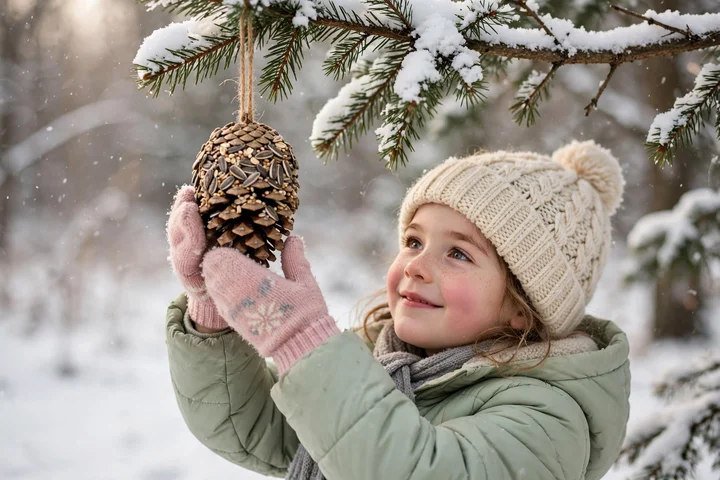
Roll a pinecone in peanut butter, then in birdseed, and hang it outside the window. The birds arrive within a day, and the kids will check every morning. Ages: 3+. Cost: free if you find the pinecones. (Nut allergy in the house? Use sunflower-seed butter or shortening instead.)
11. Winter Painting
Blue and white paint, big paper, and no rules. Add salt to wet paint for a frosty crystal effect. Ages: 2+. Cost: free with supplies on hand.
12. Salt-Dough Ornaments
Flour, salt, and water make a dough that bakes hard and paints beautifully. Make snowflakes, stars, and handprints for grandparents. Ages: 3+. Cost: under $2.
13. Borax Ice Crystals
Pipe-cleaner shapes in a jar of hot borax water grow real crystals overnight. It is science you can hang in the window. Ages: 8+ (adult handles the hot water). Cost: $3–$5.
Games and Playtime
14. Winter Scavenger Hunt
A printed list — something red, something frozen, an animal track, a pinecone, a snowman decoration — and a walk around the neighborhood. First one back with everything wins cocoa. Ages: 5+. Cost: free.
15. Blanket Fort Day
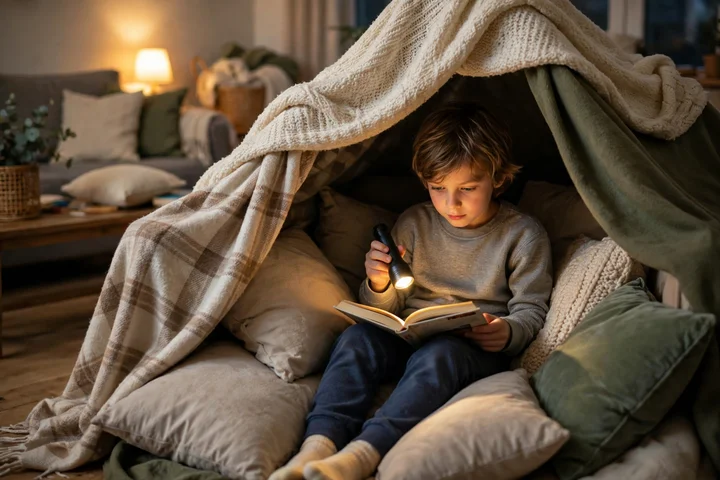
Every cushion, blanket, and chair in the house becomes a fort, with a flashlight and a stack of books inside. Declare it the official headquarters for the day. Ages: 2–10. Cost: free.
16. Charades, Winter Edition
Act out snowman, sledding, ice skating, hot cocoa, penguin — the winter list writes itself. Ages: 5+. Cost: free. Great for a family game night; our minute-to-win-it games work just as well indoors in January as they did in November.
17. Puzzle Marathon
A 500-piece winter scene, spread across the dining table for a week. Everyone adds a few pieces when they pass. Ages: 7+. Cost: $5–$10 for a puzzle, or free from the library.
18. Indoor Snowball Toss
Rolled-up white socks, a laundry basket across the room, points for distance. Ten minutes of setup, an hour of play. Ages: 3+. Cost: free.
Nourishing Traditions: Food and Warmth
19. Hot Cocoa Bar
Mugs, cocoa, marshmallows, candy canes, whipped cream, and a sprinkle of cinnamon. Let each person build their own. Ages: all. Cost: $5–$8 for the works.

20. Bake Together
Cookies, banana bread, or a simple cake — the baking is the activity, and the eating is the reward. A batch of Christmas cookies works just as well in January as it did in December, and the kitchen smells wonderful for hours. Ages: 3+. Cost: $3–$5 for ingredients.
21. Movie Marathon
Pick a theme — snow movies, adventure movies, or the family’s all-time favorites — and watch three in a row with popcorn and blankets. Ages: all. Cost: free with a streaming subscription.
22. Soup Night
Let the kids pick the soup, chop the soft vegetables (with supervision), and stir the pot. Soup is the most forgiving thing to cook with children. Ages: 5+. Cost: $5–$8.
Quiet Winter Joys
23. Read-Aloud Evenings
One chapter a night, by the fire or under a blanket, of a book slightly above the youngest child’s level. Twenty minutes a night, a whole book by March. Ages: 4+. Cost: free from the library.
24. Stargazing on a Clear Cold Night
Winter has the clearest skies of the year. Bundle up, bring a blanket and a star app, and find Orion’s belt. Ten minutes outside is enough for kids — and enough to remember. Ages: 5+. Cost: free.
25. Make a Time Capsule
A shoebox with a drawing, a photo, a newspaper clipping, and a note about what winter was like this year. Seal it, label it “Open next winter,” and put it on a shelf. Ages: 6+. Cost: free.
Winter Bucket List by Age
| Age | Best picks from the list |
|---|---|
| Toddlers (2–4) | Snow angels, paper snowflakes, sock snowman, blanket fort, hot cocoa bar, winter painting |
| Kids (5–8) | Snowman, sledding, snowball fight, pinecone feeders, scavenger hunt, baking, movie marathon |
| Tweens (9–12) | Ice skating, borax crystals, puzzle marathon, nature hike, time capsule, soup night, stargazing |
Cost Per Activity
Most of the list is free: snowman, sledding (with a borrowed sled), snowball fights, snow angels, nature hikes, paper snowflakes, blanket forts, charades, sock toss, movie nights, read-alouds, stargazing, and time capsules cost nothing. The under-$10 group — sledding with a new sled, beaded snowflakes, salt-dough ornaments, borax crystals, hot cocoa bars, baking, soup night, and puzzles — runs $2–$10 each. Only ice skating breaks $10, at $5–$15 per person with rentals. A whole winter of activities, one or two a week, costs less than a single day at an indoor trampoline park.
Snow Country vs. No Snow: How to Adapt
The list works in both worlds because every outdoor activity has a no-snow version above. The deeper truth is that the list is not really about snow — it is about doing things together on purpose. A family in Florida can do the cocoa bar, the blanket fort, the baking, the movie marathon, and the time capsule and have a full winter. A family in Minnesota can do all 25. The checklist below works for both.
Cold-Weather Safety (Read This First)
Winter fun needs a safety baseline, especially with younger children: dress in layers, keep hands and feet dry (wet gloves are worse than no gloves), set a time limit for outdoor play (30–45 minutes for younger kids), and always have a warm-up plan — hot cocoa and dry clothes waiting inside. Watch for shivering and numb fingers, which mean it is time to come in. The federal government’s winter weather guidance covers preparation, heating safety, and what to do in a storm, and it is worth a quick read before the season’s first big cold snap. And if winter is also the season your family gathers for big meals, our Friendsgiving party ideas translate well to any family get-together — the games, the potluck system, and the planning timeline work in January just as well as they did in November.
The Printable Checklist
Copy this list, stick it on the fridge, and check activities off as you do them:
☐ Snowman ☐ Sledding ☐ Snowball fight ☐ Snow angels ☐ Nature hike ☐ Ice skating ☐ Paper snowflakes ☐ Sock snowman ☐ Beaded snowflakes ☐ Pinecone bird feeders ☐ Winter painting ☐ Salt-dough ornaments ☐ Borax crystals ☐ Scavenger hunt ☐ Blanket fort ☐ Charades ☐ Puzzle marathon ☐ Sock toss ☐ Hot cocoa bar ☐ Bake together ☐ Movie marathon ☐ Soup night ☐ Read-aloud evenings ☐ Stargazing ☐ Time capsule
FAQs About Winter Bucket Lists for Families
How many activities should a winter bucket list have?
Twenty to thirty is the sweet spot — enough for one or two a week from January to March without feeling like homework. Fewer than ten runs out by February; more than forty overwhelms everyone and the list gets ignored.
What if we live somewhere with no snow?
The list still works. Every outdoor activity above has a no-snow version, and about half the list is indoors anyway — crafts, games, baking, movies, and reading. Winter is a season, not a snowfall total.
How do I get my kids to actually use the bucket list?
Print it and put it on the fridge where everyone sees it. Let each child pick one activity a week. Checking things off is half the fun — use a big marker and let the kids do the checking.
What ages is a winter bucket list for?
All of them. Toddlers love the sensory activities (snow angels, painting, cocoa), kids 5–8 love the active ones (sledding, scavenger hunts, baking), and tweens love the projects (crystals, time capsules, puzzles). The age table above maps the best picks per group.
How much does a winter bucket list cost?
Almost nothing. Most activities on this list are free, and the rest run $2–$10. A whole winter of one or two activities a week costs less than a single day at a paid attraction.
Is it too late to start a winter bucket list in February?
No. Start whenever — even a short list for February and March is better than no list. Pick the activities that fit the weeks you have left and save the rest for next year.
What is the best winter activity for a rainy weekend?
Blanket fort day, baking, a puzzle marathon, or a movie marathon. Rainy winter weekends are when the indoor half of the list earns its keep.
How do I keep a winter bucket list from becoming another chore?
Keep it voluntary and flexible. Skip activities that do not fit the week, swap in new ones, and never force a reluctant child through an activity. The list serves the family, not the other way around.
The Bottom Line
Winter bucket list ideas for families work when they are specific, age-matched, and printed where everyone can see them. Twenty-five activities, one or two a week, January through March — snow or no snow, free or nearly free — and the long dark stretch after the holidays becomes the season the kids remember. Print the checklist, pick the first activity together, and start this weekend.
Leave a Reply