
Christmas traditions around the world prove one thing: every culture celebrates light in the darkness, just in its own unforgettable way. Japan eats fried chicken, Iceland fears thirteen prankster trolls, and the Philippines builds lanterns the size of houses. Here are 15 of the most fascinating Christmas customs on Earth — and the surprising stories behind them (many traced by researchers at the Smithsonian).
Key Facts
- Christmas goes global: celebrated in 160+ countries, with customs shaped by local history, climate, and faith.
- The through-line: light against winter darkness, shared food, and gifts — every tradition is a local variation on those three.
- Summer Christmas: in Australia and New Zealand, December 25 falls in summer — think beach barbecues instead of fireplaces.
- The oldest: many European customs (Yule logs, evergreen decorating) predate Christianity by centuries.
- The newest: Japan’s KFC Christmas began as a 1974 marketing campaign — and became a national tradition.
Europe’s Classics
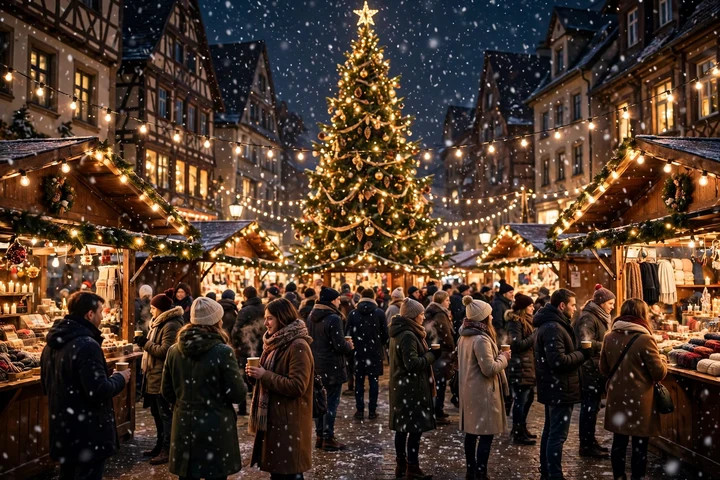
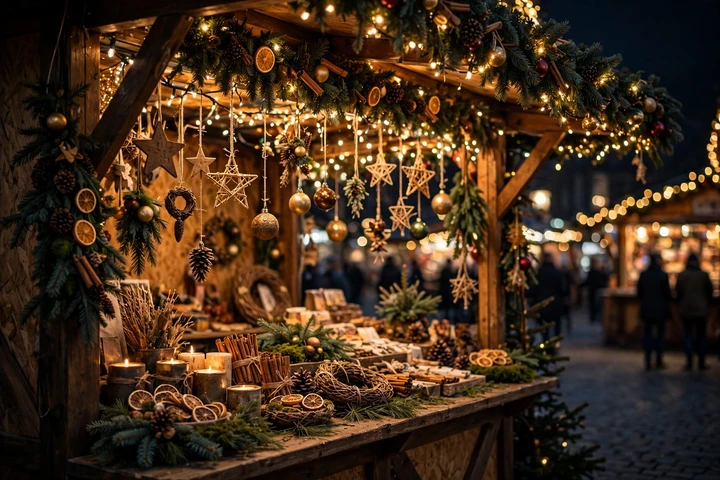
Germany — Christmas markets & the Tannenbaum. The Christmas tree as we know it is a German export, and Germany’s 2,000+ Christmas markets (the Nuremberg Christkindlesmarkt dates to the 1500s) remain the gold standard. Families hide a pickle ornament in the tree — whoever finds it gets an extra gift.
Iceland — the 13 Yule Lads. Forget one Santa: Iceland has thirteen troll brothers who visit over the 13 days before Christmas, each with a personality (Spoon-Licker, Door-Slammer, Sausage-Swiper). Good children leave shoes in the window for treats; bad ones get potatoes. Or worse — the child-eating troll Grýla.
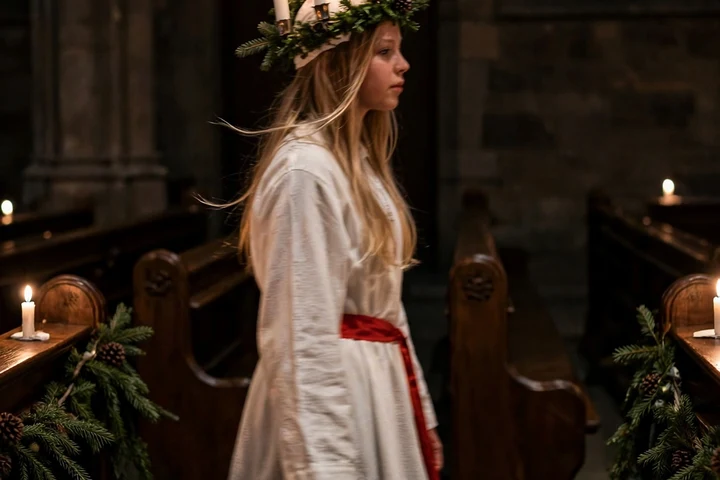
Sweden — St. Lucia Day (Dec 13). At dawn on December 13, the eldest daughter — wearing a white gown and a crown of lit candles — serves her family saffron buns in bed. The tradition honors a 3rd-century martyr and lights up the darkest month.
Norway — hiding the brooms. Norwegians hide their brooms on Christmas Eve because folklore says witches ride them that night. It’s half joke, half ancient superstition — and entirely charming.
Ukraine — spider webs on the tree. A Ukrainian folktale tells of a poor widow whose tree was draped in shimmering webs on Christmas morning — spiders, grateful for her kindness, had spun them overnight. Web ornaments now symbolize good luck.
Quotable: “Every Christmas tradition is a culture’s answer to the same question: how do we make the darkest month glow?”
The Americas
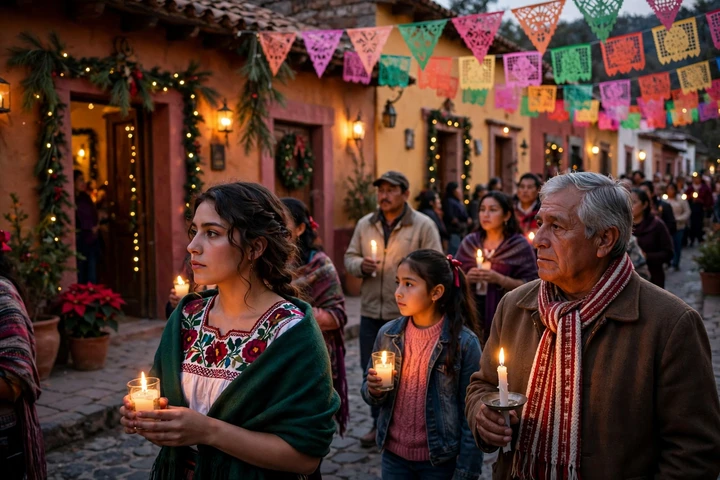
Mexico — Las Posadas (Dec 16–24). For nine nights, processions reenact Mary and Joseph’s search for shelter, ending each night at a different home with piñatas, tamales, and ponche. The piñata’s seven points represent the seven deadly sins — breaking it is literally defeating evil with joy.
Venezuela — roller-skating to church. In Caracas, it’s tradition to roller-skate to early-morning Christmas Mass. Streets close to traffic, and kids tie strings to their toes with the other end hanging out the window — so passing skaters can tug them awake.
United States — the melting pot. American Christmas is every tradition at once: German trees, Dutch Santa, English carols, and the uniquely American invention of the over-the-top lights display. Planning your own feast? Our Christmas dinner menu covers the classics.
Asia & the Pacific
Japan — Kentucky Fried Christmas. In 1974, KFC Japan marketed fried chicken as an American Christmas tradition — and it stuck spectacularly. Today, families pre-order KFC Christmas party barrels weeks in advance, and December 25 without fried chicken feels wrong to millions.
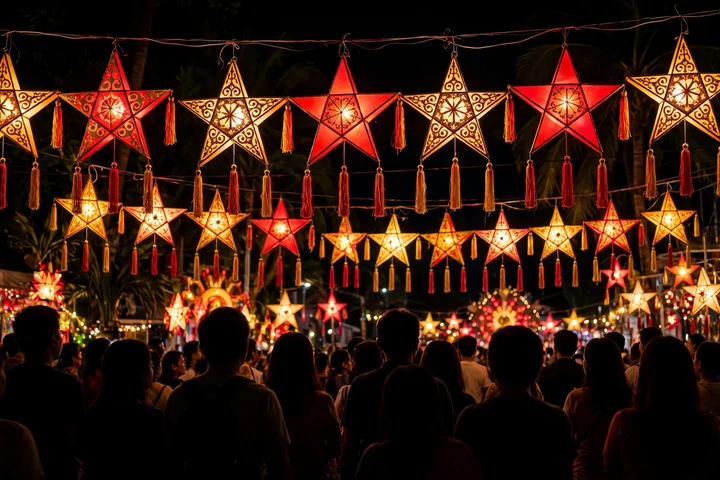
The Philippines — parol lanterns. Filipino Christmas is the world’s longest (carols start in September). The parol — a star-shaped lantern symbolizing the Star of Bethlehem — glows from every window, and San Fernando’s Giant Lantern Festival features parols up to 20 feet wide.
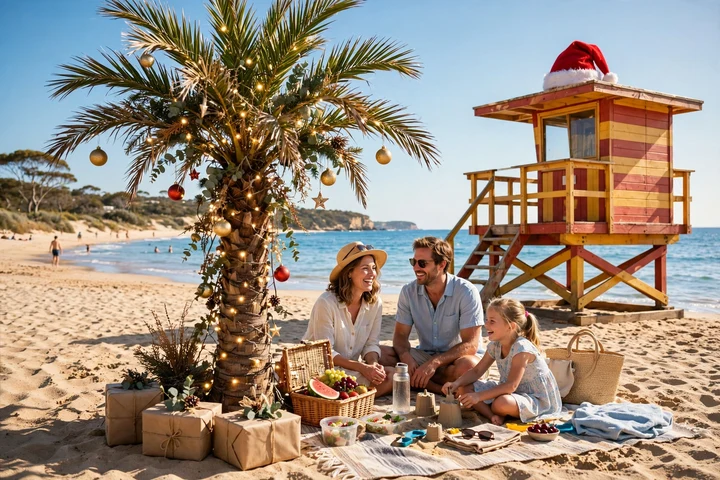
Australia — Christmas on the beach. With December temperatures in the 80s, Australians do Christmas lunch outdoors: seafood, pavlova, backyard cricket, and Santa arriving by surfboat. The lights still go up — they just compete with sunshine.
Africa & the Middle East
Ethiopia — Ganna (Jan 7). Ethiopian Orthodox Christians celebrate Christmas on January 7, following the ancient Julian calendar. The day begins with a pre-dawn church service, followed by a feast — and a traditional hockey-like game also called ganna.
Egypt — 43 days of fasting. Coptic Christians fast for 43 days before Christmas (no animal products), then celebrate on January 7 with a feast after midnight Mass. The discipline makes the celebration sweeter.
Quotable: “Christmas is the world’s most successful cultural exchange program — running for 1,700 years and still adding members.”
More European Customs
England — Christmas crackers. Invented by London confectioner Tom Smith in 1847, the cracker (a cardboard tube with a paper crown, a joke, and a small toy) is pulled at Christmas dinner with a bang. The jokes are terrible. That is the point.
France — Réveillon and the 13 desserts. Christmas Eve dinner (Réveillon) stretches past midnight with oysters, foie gras, and bûche de Noël. In Provence, tradition demands 13 desserts — representing Christ and the twelve apostles — including nougat, dried fruits, and fougasse.
Italy — La Befana. Forget Santa: Italian children wait for La Befana, a kindly witch who rides a broomstick and delivers gifts on Epiphany Eve (January 5). Good children get candy; naughty ones get coal — or rather, sweet black “coal” candy.
Netherlands — Sinterklaas (Dec 5). The Dutch celebrate St. Nicholas’s Eve on December 5 — children leave shoes by the fireplace with carrots for his horse, and wake to find them filled with treats. Christmas Day itself is the quieter, family-focused second act.
Spain — El Gordo and the Caga Tió. Spain’s Christmas lottery, El Gordo (“The Fat One”), drawn December 22, is the world’s richest — and the whole country watches. In Catalonia, children “feed” the Caga Tió (a log with a painted face) all December, then beat it with sticks on Christmas Eve while singing, until it “poops” out presents.
More From Around the Globe
Greece — decorated boats. Before trees took over, Greek families decorated small boats with lights to honor St. Nicholas, patron saint of sailors. The tradition survives in port towns, where illuminated boats still glow in harbors — a reminder that for a seafaring nation, the journey mattered more than the tree.
Austria — Krampusnacht (Dec 5). St. Nicholas’s dark counterpart: Krampus, a horned half-goat demon, parades through Alpine towns on December 5 to frighten the naughty. The costumes are spectacular, the atmosphere is gleefully terrifying, and the mulled wine helps.
South Africa — the braai Christmas. December is high summer, so Christmas lunch happens outdoors around the braai (barbecue): grilled meats, mince pies, and Christmas crackers imported from the British tradition — eaten in sunshine.
Brazil — Papai Noel in summer. Brazil’s Santa (Papai Noel) wears the red suit despite the heat, Christmas dinner features turkey with tropical fruits, and cities compete over the most spectacular floating Christmas tree — Rio’s Lagoa tree was once among the world’s tallest.
Finland — the Christmas sauna. In Finland, Christmas Eve begins with a long, peaceful sauna — the whole family, in shifts, washing away the year’s stress before the celebrations. Many Finns believe the sauna is home to a gentle elf, and the post-sauna quiet is considered sacred. It may be the calmest Christmas tradition on Earth — and given that Rovaniemi markets itself as Santa’s official hometown, Finland takes the whole season personally.
Quotable: “From a pooping log in Catalonia to a horned demon in Austria, Christmas proves that every culture’s weird is someone else’s wonderful.”
Bring the World to Your Christmas
You don’t need a passport to borrow the magic: hide a pickle ornament like the Germans, serve saffron buns like the Swedes, hang one parol lantern like the Philippines, try a roller-skate-free version of Las Posadas with a backyard piñata, or start Christmas Eve with a quiet family sauna like the Finns. The when-is-Christmas date guide helps you time it — and Christmas games from around the world, from Iceland’s troll tricks to Mexico’s piñata, make a great party theme.
Frequently Asked Questions
Which country has the most unique Christmas tradition?
Iceland’s 13 Yule Lads, Venezuela’s roller-skating Mass, and Japan’s KFC Christmas are the usual finalists — each utterly unlike anything else on Earth.
Why does Japan eat KFC on Christmas?
A 1974 KFC Japan marketing campaign (“Kentucky for Christmas”) filled a gap — with almost no Christian population, Japan had no Christmas food traditions. It worked so well that pre-ordering KFC is now a national ritual.
What is Las Posadas?
A nine-night Mexican tradition (Dec 16–24) reenacting Mary and Joseph’s search for shelter, with processions, piñatas, and feasts each night. It’s one of the most community-centered Christmas customs in the world.
When is Christmas celebrated in Ethiopia?
January 7, following the Julian calendar used by the Ethiopian Orthodox Church. The celebration, called Ganna, follows 43 days of fasting.
What are parol lanterns?
Star-shaped lanterns from the Philippines symbolizing the Star of Bethlehem. They’re the centerpiece of the world’s longest Christmas season — and San Fernando’s giant versions are engineering marvels.
Do all countries celebrate Christmas on December 25?
Most do, but Orthodox churches using the Julian calendar (Ethiopia, Egypt, Russia, Ukraine traditionally) celebrate on January 7. The customs differ even more dramatically than the dates.
Leave a Reply