
Bob haircuts for women remain the most requested salon style of 2026 because one simple shape — hair cut somewhere between the ears and the shoulders — splinters into at least 15 distinct looks, from a razor-sharp blunt bob to a soft, wavy Riviera bob. The right variant depends on three things: your face shape, your hair type, and how many minutes you will honestly spend styling it. This guide to bob haircuts for women walks through all 15 styles worth knowing, matches each one to the faces and hair it flatters most, and covers the styling and upkeep each one actually demands.
Key Facts
- The bob family spans four lengths: micro (ear level), short (jaw), classic (chin to neck), and the lob (collarbone).
- Blunt ends make hair look thicker — the single best trick for fine hair — while layers and texture suit thick hair better.
- Face shape is the filter: jaw-length cuts widen, collarbone lengths lengthen, and volume placement does the rest.
- Upkeep rhythm: most bobs need a trim every 6–8 weeks to hold their line; lobs stretch to 10 weeks.
- Styling range: a French bob air-dries in minutes; a glass-sleek blunt bob wants 15 minutes with a dryer and brush.
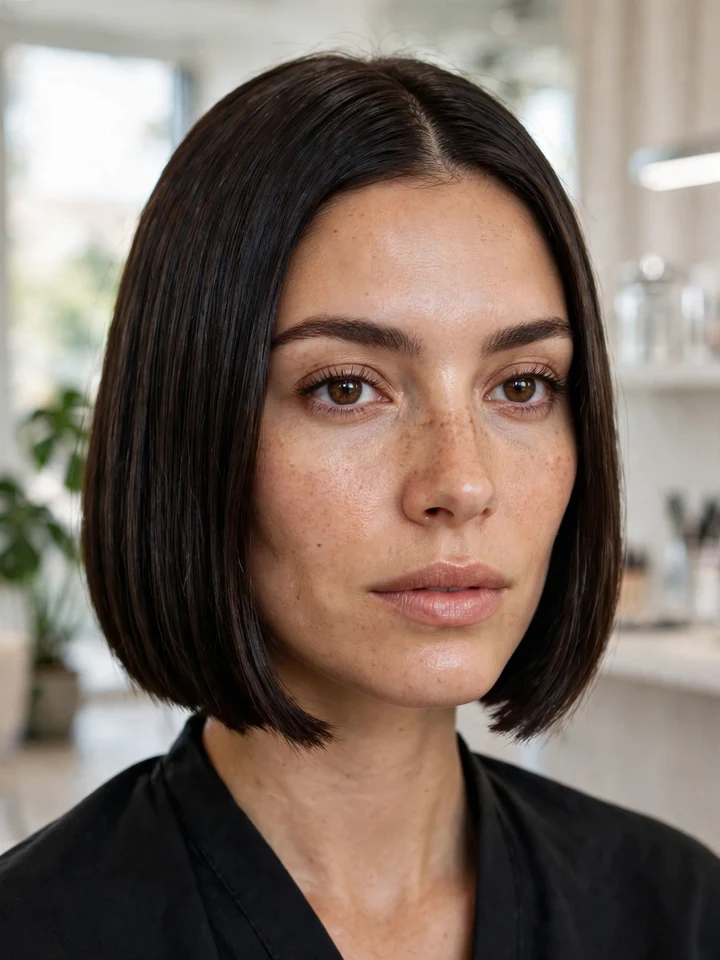
The 15 bob haircuts for women to know in 2026
The sharp classics
1. Classic bob. Chin-length, one length, minimal layering — the blueprint every other bob modifies. Suits oval and heart faces; needs naturally straight or smoothed hair to keep the line clean.
2. Blunt bob. Cut with zero layers so the ends form one solid, swinging edge. The sharpest, most expensive-looking bob, and the best density illusion for fine hair. Best on straight and slightly wavy hair; daily smoothing keeps it glassy.
3. French bob. Chin-length with a short, eyebrow-skimming fringe and a deliberately undone texture. It is worn tousled, never perfect, which makes it the lowest-effort bob on this list. Flatters oval and longer faces; the fringe shortens a high forehead beautifully.
4. Micro bob. The boldest length — cut at the cheekbones or ears. It puts cheekbones and jawlines on full display, so it rewards strong bone structure and confidence. Grows out fast, so budget for trims every 4–6 weeks.

The soft and voluminous
5. Italian bob. Chin-length with chunky, flipped-out ends and serious bounce — think old-Hollywood volume rather than sleekness. Cut with subtle layering so thick hair moves; styled with a round brush and rollers. A favorite for women who find blunt bobs too severe.
6. Scandi bob. The minimalist Scandinavian take: just below the chin, worn smooth with a soft bend, usually in pale blonde tones and a deep side or center part. Understated, polished, and very forgiving on fine hair because the length keeps ends looking full.
7. Riviera bob. Relaxed, wavy and holiday-soft, with loose bends through the mid-lengths and a sun-kissed feel. It is the bob for women who live in texture spray and rarely use a brush.
8. Butterfly bob. The bob-length version of the famous two-tier cut: short face-framing layers over a bob base, giving flick and shape around the cheeks. If you love the idea but want to keep long hair, the full-length butterfly haircut does the same trick past the shoulders.
The longer and layered
9. Lob (long bob). Ends at the collarbone — long enough to tie back, short enough to hold a shape. The most universally flattering bob of all, and the one stylists recommend to first-timers because the grow-out is painless.
10. A-line bob. Longer at the front, shorter at the back, with a gentle diagonal that draws the eye down. It lengthens round faces and looks sharp from every angle; the angled front pieces also frame the jaw.
11. Inverted bob. A stronger version of the A-line: stacked, graduated layers at the nape push the front lengths forward into an angled swing. Brilliant for thick hair that needs its bulk managed, and it shows off the neckline.
12. Stacked bob. Closely graduated layers stacked at the back of the head create a rounded, voluminous crown. A go-to for fine hair at the back that tends to fall flat.
13. Asymmetric bob. One side worn noticeably longer than the other. Modern, a little editorial, and surprisingly flattering on round faces because the diagonal breaks up symmetry.
14. Wavy/textured bob. Cut with point-cutting and light internal layers so natural waves and loose curls land in a tousled shape. The wash-and-go bob: scrunch, diffuse, done.
15. Pageboy bob. A retro nod — smooth, rounded, with ends curled under and often a full fringe. It cycles back into fashion every decade; in 2026 it reads chic rather than costume on straight, glossy hair.
Quotable: “A bob is not one haircut — it is fifteen, and the difference between the wrong one and the right one is about two centimeters and one honest conversation.”
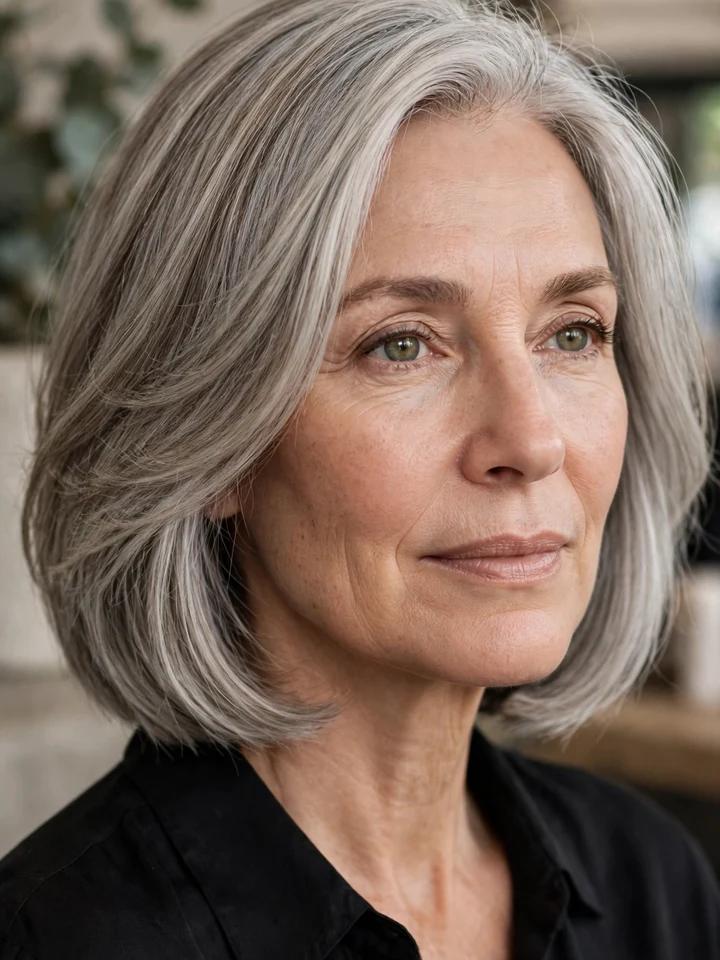
Matching a Bob to Your Face Shape
Round faces: choose length — a lob or A-line that falls past the chin, with the front longer than the back. Avoid chin-level blunt cuts with center parts, which mirror the face’s roundness. Square faces: soften with waves, layers and side parts; the Italian and Riviera bobs are built for you, while a hard blunt jaw-line cut doubles down on angles. Oval faces: everything works; pick by hair type and lifestyle instead. Heart faces: chin-length bobs with volume at the ends balance a narrower jaw — the classic and butterfly bobs shine here. Long faces: go shorter and wider — micro and French bobs with fringe shorten the face visually.
Age is not a restriction, it is a styling note: softer edges, a little layering and movement flatter mature faces more than severe lines, which is why our guide to hairstyles for women over 50 leans on the soft bob, the layered lob and the bixie.

Styling and Upkeep, Honestly
A bob’s shape does half the styling work, but each family behaves differently. Sleek bobs (blunt, classic, Scandi) want a blow-dry with a paddle or round brush and a smoothing product — about 15 minutes. Textured bobs (French, Riviera, wavy) want the opposite: minimal brushing, a curl cream or salt spray, and air-drying or a quick diffuse — about 5 minutes. Voluminous bobs (Italian, stacked) sit in the middle: a round-brush blowout or a set of velcro rollers on the crown. Whichever you choose, a fringe changes the equation — a bob plus bangs needs the front refreshed most mornings, which is why so many women pair bobs with long, forgiving curtain bangs instead of a short blunt fringe.
Trim rhythm matters more with bobs than with any other cut, because the whole look is one deliberate line. Six to eight weeks keeps it crisp; a lob can stretch to ten. When you book, ask your stylist to show you the two-minute refresh as well as the full style — a quick root lift and a soft bend through the ends with a dryer brush is all most bobs need between proper blow-dries.

Choosing Your Bob: A Three-Step Shortcut
If fifteen options feel like a lot, decide in this order. Step one — length by face: past the chin if your face is round, at the chin if it is heart-shaped, shorter if it is long. Step two — ends by density: blunt and one-length if your hair is fine, layered or textured if it is thick. Step three — finish by lifestyle: glass-sleek only if you genuinely enjoy a 15-minute blow-dry; otherwise pick a textured variant that air-dries into shape. Most women land on the right bob by step two — step three is simply the honesty check that decides whether you will still love it on a rainy Tuesday in February.
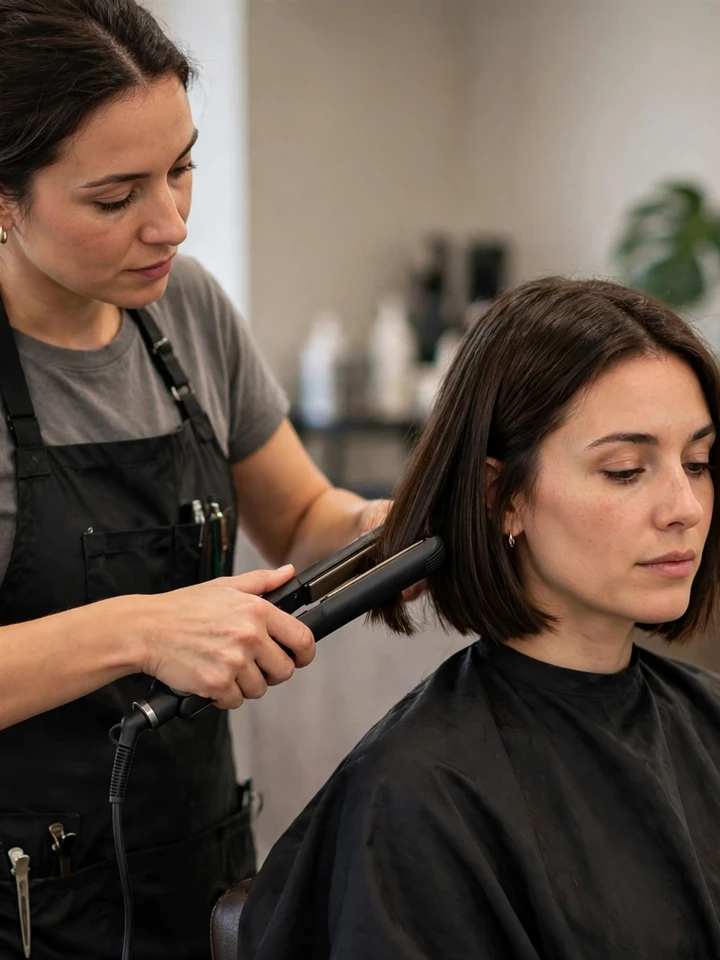
Keeping Bob-Length Hair Healthy
Short hair shows damage fast — a frayed bob end has nowhere to hide. Use heat protectant every time you smooth or bend the hair, and keep hot tools at the lowest temperature that works. The American Academy of Dermatology recommends spacing out chemical services like color and relaxing, handling wet hair gently since it is at its most fragile, and choosing shampoo for your scalp rather than your lengths. Because a bob gets trimmed often, it actually stays healthier than long hair by default — every appointment cuts away the oldest, most worn inches before splits can travel.
Quotable: “Long hair forgives a skipped trim. A bob never does — its whole beauty is one clean, deliberate line.”

Frequently Asked Questions
What is the most flattering bob for women with round faces?
A lob or A-line bob that falls past the chin, ideally with the front longer than the back and some layering for movement. The extra length and diagonal lines visually slim and lengthen a round face.
Which bob haircut makes thin hair look thicker?
A blunt bob. One-length ends create a solid edge that reads as density, especially at chin or jaw length. Pair it with a light volumizing mousse rather than heavy oils, which weigh fine hair down.
How often does a bob need trimming?
Every 6–8 weeks for most bobs to keep their shape; micro bobs need 4–6 weeks, and lobs can stretch to 10 weeks. Bobs lose their line gradually, so book the next appointment before you leave the salon.
Can you have a bob with curly hair?
Yes — a textured or wavy bob cut dry, curl by curl, by a stylist who works with curls. Curly bobs sit shorter when dry, so the cut should be planned longer than the target length.
What is the difference between a lob and a bob?
A lob is simply a long bob: the ends rest at or just above the collarbone instead of between the ear and the chin. It keeps most of the bob’s shape while staying long enough for ponytails and updos.
Are bobs suitable for women over 50?
Absolutely — the soft bob and layered lob are among the most flattering cuts after 50, because they lift the face and keep ends looking full. Softer layering and a little movement suit mature hair better than severe blunt lines.
Leave a Reply