
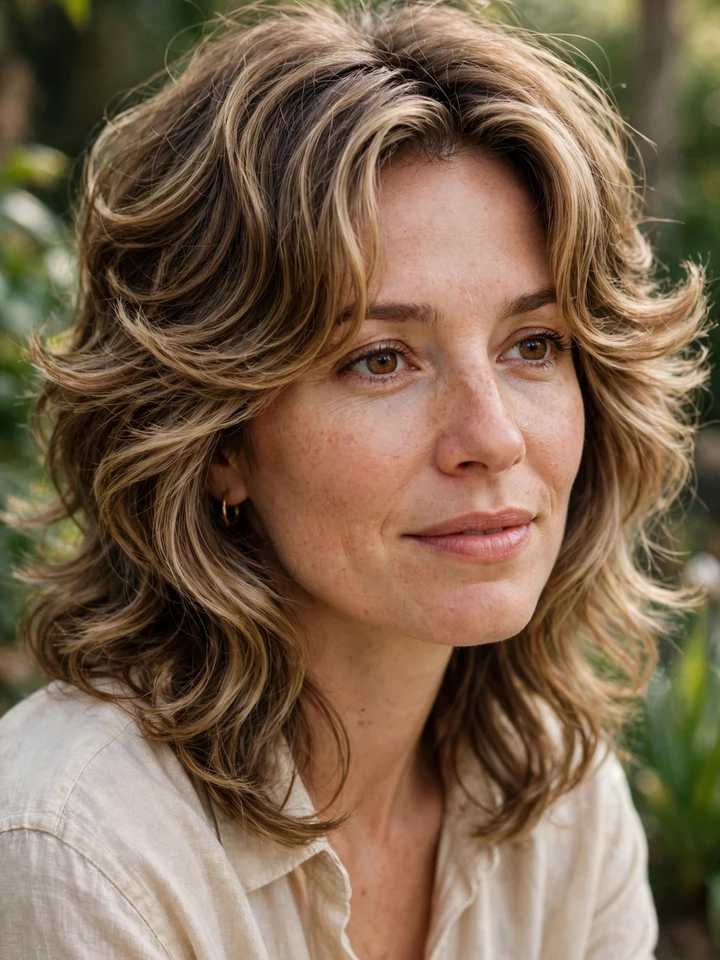
The butterfly haircut is a two-tier layered cut — short, face-framing layers that skim the cheekbones and jaw, paired with long layers that keep your overall length — so you get the shape and bounce of a short cut while your hair still falls well past your shoulders. It works on most face shapes, it grows out gracefully, and it needs about ten minutes of styling to look like you meant it. Below: exactly what the cut is, who it suits, how it compares with the butterfly bob and regular long layers, the words to use at the salon, and how to style and maintain it at home.
Key Facts
- The structure: two disconnected tiers — a short top layer (starting at the cheekbone or jaw) over long bottom layers — which is what separates it from ordinary long layers.
- Minimum starting length: your hair should reach at least the shoulders, ideally longer, so the top tier has room to sit above the length.
- Best hair types: straight to wavy hair shows the flick best; curly hair needs an adapted, longer version cut by a curl specialist.
- Salon upkeep: a light trim every 8–10 weeks keeps the two tiers distinct; the grow-out is forgiving and blends into long layers.
- Styling time: roughly 10 minutes with a round brush and hair dryer — the face-framing pieces do most of the work.
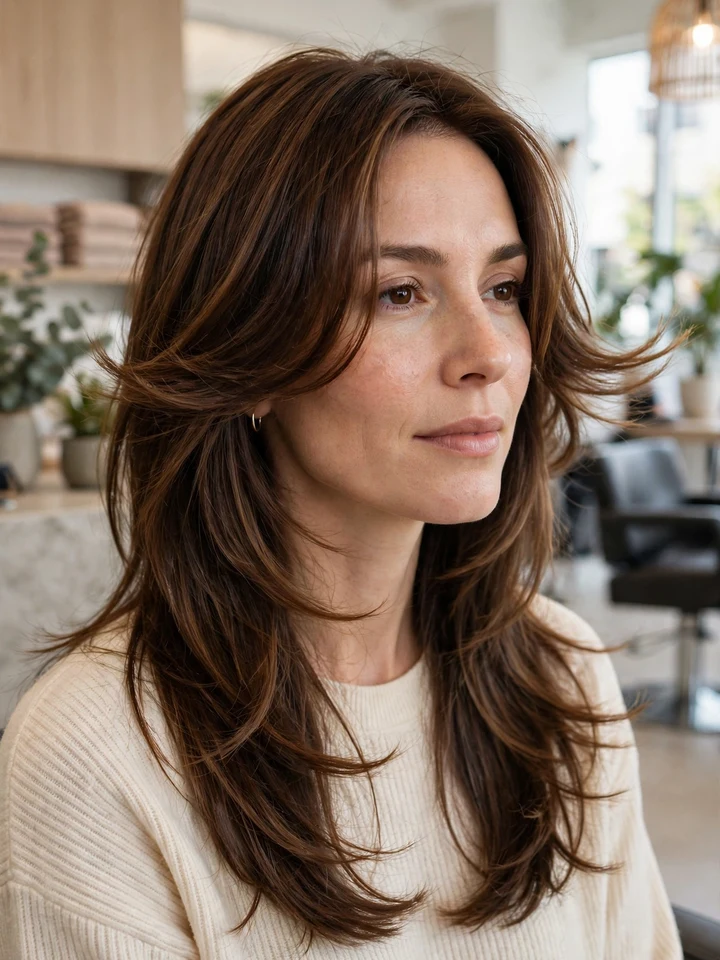
What Is a Butterfly Haircut?
The cut was popularized by Los Angeles stylist Sunnie Brook and named for the way the short top layers fan out around the face like wings. A standard layered cut graduates length gradually from top to bottom. The butterfly cut does something bolder: it keeps a clear gap between a short, cheeky top section and the long hair underneath, so the top behaves almost like a separate short hairstyle sitting on top of long hair.
That structure buys you a trick no other long cut offers. Pin or tuck the long bottom section up, and the short tier reads as a bob. Let it down, and you are back to full length. It is the cut for anyone who keeps booking a bob consultation and then chickening out in the chair.
Quotable: “The butterfly haircut is a short cut and a long cut at the same time — the top layers do the flattering, the lengths do the keeping.”
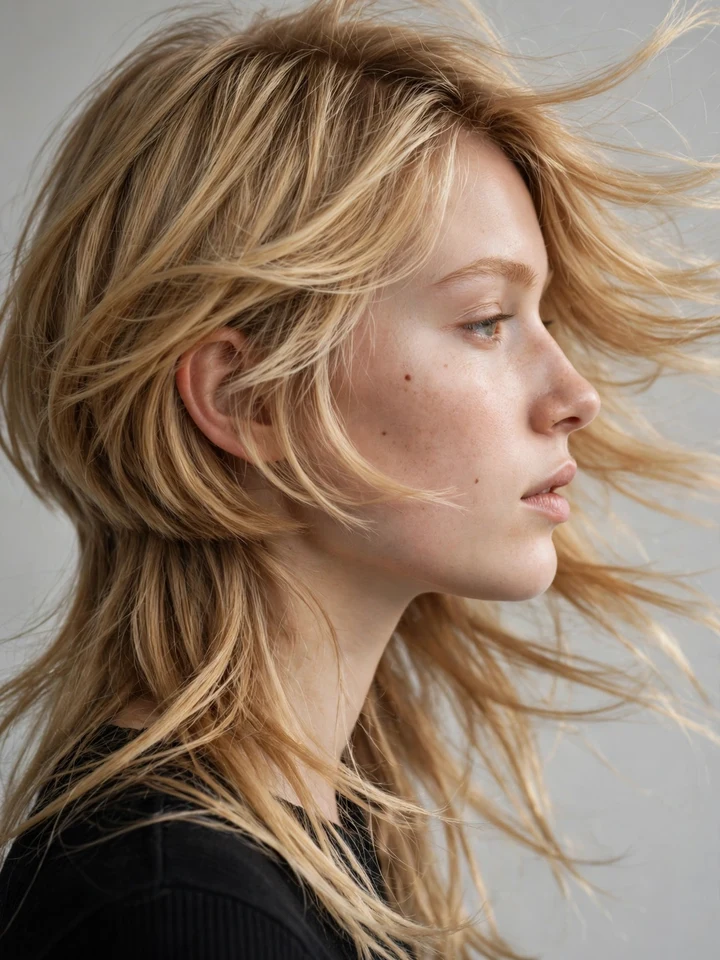
Who the Butterfly Haircut Suits
By face shape
Round faces gain the most. The long bottom tier draws the eye downward and lengthens the face, while the short layers add angles at the cheekbones where round faces are softest. Square faces suit it too — the flicked, feathery ends blur a strong jaw instead of stopping right at it. Oval faces can wear the classic version unchanged. Heart-shaped faces should start the short tier at the jaw rather than the cheekbone, so the widest layer lands where the face is narrowest. Long faces need one adjustment: ask your stylist to keep the top tier a little longer and add width at the sides, so the cut does not stretch the face further.
By hair type
Wavy hair is the ideal canvas — the natural bend makes the layers flick outward with almost no effort. Straight hair shows the tier structure crisply but needs heat styling to get the signature flip; without it, the cut can fall flat. Fine hair gets a real volume illusion from the short tier, but ask for fewer, longer layers through the ends — over-layering fine hair makes the bottom tier look thin.
Thick hair benefits most of all: the tiers remove serious bulk while keeping length, which is why so many thick-haired clients describe the cut as “finally light.” Curly hair can wear it, with conditions: the short tier must be cut longer than you think (curls spring up), and it should be cut by someone who works with curls dry, curl by curl.
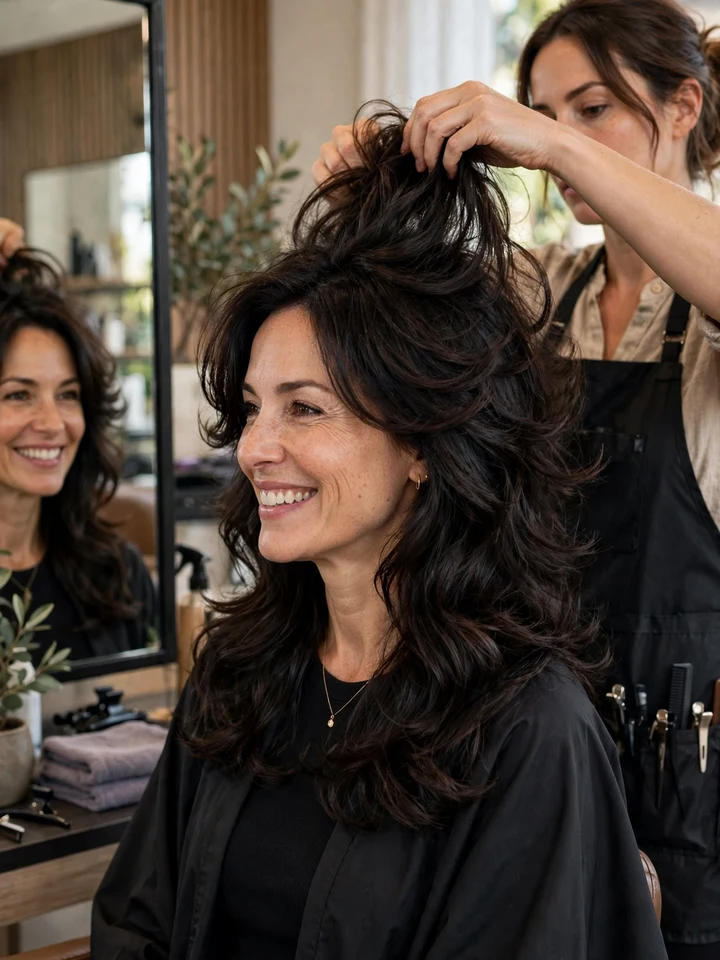
Butterfly Haircut vs. Butterfly Bob vs. Long Layers
These three get confused constantly, so here is the clean split. The butterfly haircut keeps long hair — the overall length stays at or below the shoulders, and the drama comes from the short face-framing tier. The butterfly bob uses the same face-framing idea but the overall length is a bob, ending around the jaw or shoulders; if you want that version, our guide to bob haircuts for women covers it among 15 bob styles.
Long layers are the gradual option: lengths step down smoothly with no disconnected tier, which looks softer and more natural but gives you less shape around the face. If you are torn between the gradual and the dramatic, our layered haircuts for women guide walks through every layer type by length and hair type.
Short version: choose the butterfly cut when you want maximum face-framing and movement without giving up length; choose long layers when you want the safest, most low-key change.

How to ask your stylist for the butterfly haircut
Walk in with two or three photos — one from the front, one from the side — because “butterfly” still means slightly different things in different salons. Then say, in plain words: “Two tiers of layers, please. The shortest layer starts at my cheekbones [or jaw], the layers stay long through the back, and I want to keep as much overall length as possible.” Specify three things:
- Where the short tier starts. Cheekbone height is bolder and more face-framing; jaw height is softer and easier to grow out.
- How blended you want it. A visible step between tiers is the true butterfly look; a soft blend is a safer first step.
- Your styling honesty. If you will not blow-dry most days, say so — your stylist can cut the tiers longer so the shape still works air-dried.
A good stylist will also check your hair’s natural fall and growth patterns before cutting, especially around the front hairline, where the short tier lives.
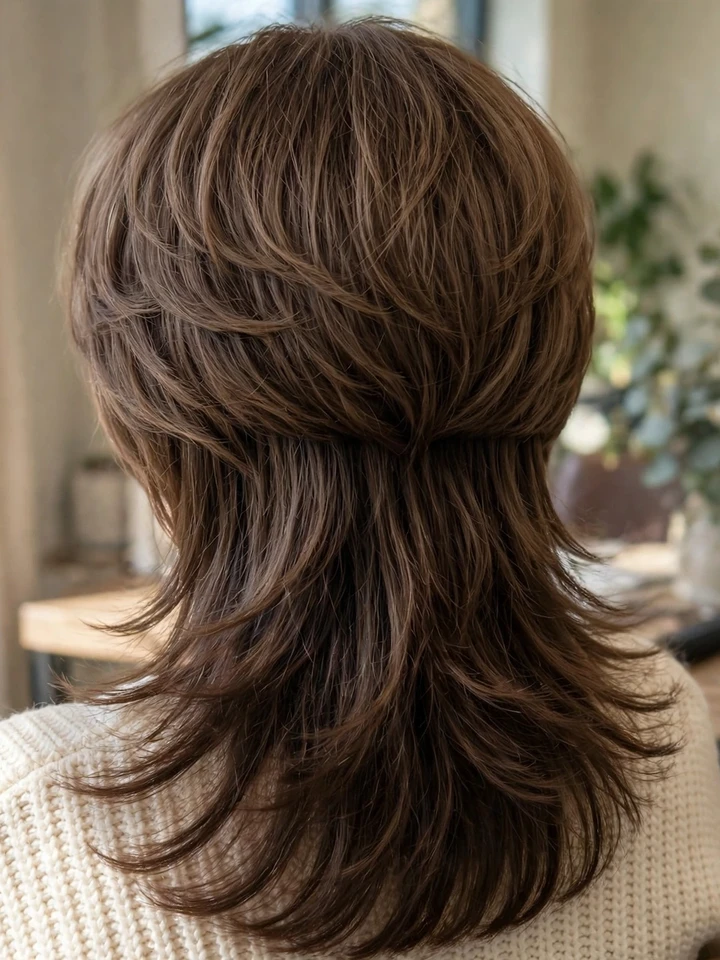
Styling Your Butterfly Haircut at Home
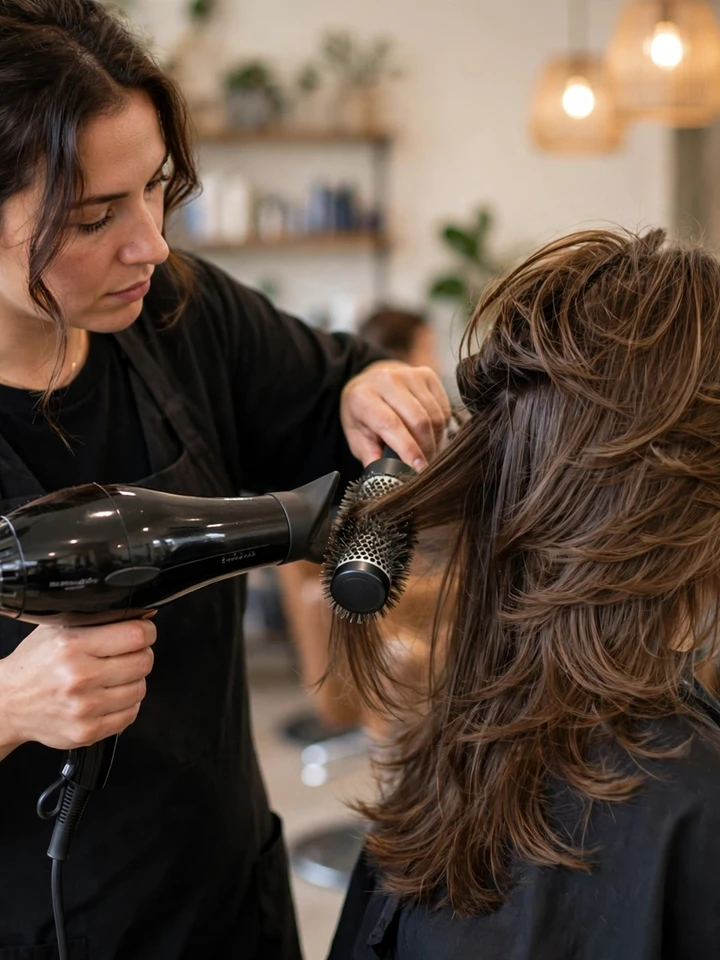
The signature look is a bouncy blowout with the front layers flicking away from the face. Rough-dry your hair about 80 percent first, working in a lightweight mousse at the roots. Then take a medium round brush and dry the top tier in sections, rolling each section up and away from your face and letting it cool for a few seconds before you release it — the cooling is what sets the flick. Finish the long tier with the brush angled outward at the ends. The whole routine takes about ten minutes once your hands learn it.
No time for a full blowout? Twist the damp top tier into two small buns at the crown while you get ready, then release for soft bends. On day two, refresh only the face-framing pieces with the brush and dryer and leave the rest alone. One natural upgrade: the cut pairs beautifully with a soft fringe — see our curtain bangs guide if you want the full face-frame effect.
Quotable: “Style the front, skip the rest — with a butterfly cut, the two layers framing your face decide whether the whole head looks done.”
Keeping Layered Hair Healthy
Layers put your ends on display, and split or frazzled ends undo the whole effect. Heat is the main enemy: always use a heat protectant before the dryer or any hot tool, and keep the dryer moving rather than parked on one section. The American Academy of Dermatology advises limiting heat styling where you can, washing with a gentle shampoo focused on the scalp, and conditioning the lengths and ends — exactly the routine a layered cut needs. A leave-in conditioner through the bottom tier keeps the long layers glossy, and a trim on schedule (see below) stops small splits from traveling up the hair shaft and thinning your tiers.
Maintenance and Grow-Out
Book a tidy-up trim every 8–10 weeks. The appointment is quick and cheap compared with a full restyle: your stylist sharpens the short tier, dusts the ends of the long tier, and the two-tier shape snaps back. Let it slide to four months and the tiers merge — the cut still looks good, it just becomes long layers. That is also why the grow-out is famously painless: there is no awkward in-between stage, because the cut dissolves into a classic layered style. If you later decide to go short for real, the top tier has already done the psychological work — most butterfly clients who eventually cut a bob say the decision felt easy.
Frequently Asked Questions
Does the butterfly haircut work on thin or fine hair?
Yes, with a lighter hand. Ask for a longer short tier and minimal layering through the ends so the bottom of the cut keeps its density. Styled with mousse and a round brush, the top tier gives fine hair a convincing volume boost.
How long does my hair need to be for a butterfly haircut?
Shoulder length is the practical minimum, and mid-back length shows the two tiers at their best. If your hair is shorter than your shoulders, the butterfly bob version gives you the same face-framing effect at bob length.
Is the butterfly haircut high maintenance?
No. It needs a trim every 8–10 weeks and about ten minutes of blow-drying to look its best, but it also grows out into ordinary long layers, so skipped appointments never look like a mistake.
What is the difference between a butterfly haircut and a wolf cut?
Both are layered and shaggy in spirit, but the wolf cut is choppier, with heavy top volume, wispy ends and often a mullet-like silhouette. The butterfly cut is softer and more polished, with a clean two-tier structure and flicked-out ends.
Can I wear a butterfly haircut in a ponytail?
Yes — that is one of its selling points. The long tier ties up as normal, and the short face-framing layers fall loose around your face, so a ponytail still looks styled rather than scraped back.
Does the butterfly haircut work on curly hair?
It can, but it must be adapted: the short tier cut longer to allow for shrinkage, layers shaped curl by curl, ideally cut dry by a curl specialist. Expect a softer, rounder version of the look rather than sharp flicks.
Leave a Reply