

Table of Contents
Last winter, I spent a week working from a rented flat with single-glazed windows and a front door that whistled every time the wind picked up. The heating worked, technically, but the place still felt cold, and every time I nudged the thermostat up, the warmth seemed to slip straight out through the gaps. That week taught me the basic truth behind how to keep house warm without heating: comfort is less about making more heat and more about stopping the heat you already have from leaving.
The fixes below start free, move to cheap, and stay honest about which ones save money and which ones simply make you feel warmer. None of them replace a working heating system in a real cold snap, and none of them come with a promised number on your bill.
Free tricks first, then low-cost fixes, safety warnings, and a room-by-room checklist.
Start With the Free Fixes to Keep House Warm Without Heating
The cheapest place to begin is a draft hunt. Pick a windy day and walk slowly around feeling with the back of your hand along window edges, exterior doors, the attic hatch, the letterbox, and the power outlets on outside walls. Every cold thread of air you feel is a leak, so write each one down as you go. In that rented flat, the worst offender was not even a window. It was the gap under the front door, wide enough to slide a pencil through, feeding cold air straight down the hallway.
One old trick for finding the smaller leaks is a lit incense stick, held near a closed window frame or door edge indoors. If the smoke bends sideways, air is moving through. Keep it away from curtains and never leave it burning unattended. The U.S. Department of Energy describes caulking and weatherstripping as simple, low-cost ways to reduce this kind of leakage, and lists air sealing among the highest-priority improvements a homeowner can make.
Use the Sun Like a Free Heater to Keep House Warm Without Heating
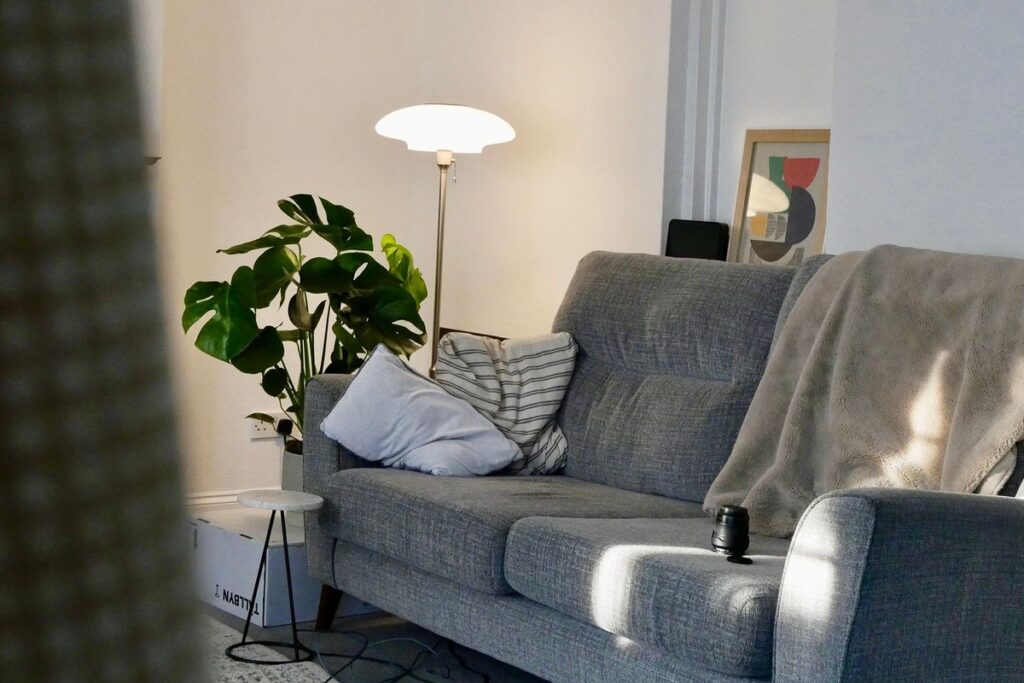
Sunlight is the most overlooked free heat source in a home, and it sits at the center of any plan to keep house warm without heating. On a sunny winter day, open the curtains on the windows that are actually getting sun and let the light fall on floors, rugs, and furniture. Those surfaces soak up warmth and give it back slowly through the afternoon. As the light leaves each window, close the curtains again to trap that warmth inside. Heavy curtains do this best, but even ordinary ones help by holding a still pocket of air between the fabric and the cold glass.
The details are what make this work. Keep the glass clean and the windowsill clear, so sunlight reaches the room. Open curtains only on windows that are getting sun; on the shaded side of the house, keeping them closed all day is usually warmer. And watch where curtains hang: one that traps a radiator behind it sends heat straight up the window instead of into the room, so pull curtains to the sides during the day when the heating runs.
It is worth being straight about what curtains can and cannot do. A University of Salford lab test on single-glazed sash windows found lined curtains cut heat loss through those windows by roughly 11 to 19 percent, depending on the room. That sounds big until you remember it is a percentage of the windows only, not the whole house, so the saving on your total heating is much smaller. Curtains are still worth doing, because a room with covered windows at night simply feels warmer, and feeling warmer is what stops you reaching for the thermostat.
Block the Drafts You Can Feel
A rolled-up towel at the bottom of a door is the classic draft stopper, and it works immediately, costing nothing if you already own a spare towel. Fabric draft stoppers do the same job more neatly and can be moved from door to door. Check exterior doors first, then doors to unheated garages, basements, and attics. In my old flat, the towel under the front door made the hallway noticeably less cold within an hour.
Then look at the smaller gaps people walk past for years. Letterboxes and keyholes leak air, and a brush strip plus a keyhole cover cost very little and take minutes to fit. The attic hatch is another quiet culprit: a strip of foam around its edge plus a piece of insulation laid on top can stop a surprising amount of warm air escaping into the roof space. If you have a fireplace you never use, an inflatable chimney balloon blocks the draft, but never fit one to a chimney that is still in use, and always leave the reminder tag hanging where you will see it before lighting a fire.
Next, treat curtains and rugs as insulation, not just decoration. A thick rug over a bare floor makes a room feel warmer underfoot, and cold floors make the whole room feel colder than the thermostat says it is. A thick rug with a felt underlay changes how a cold tile floor feels completely, and in bedrooms, an extra blanket lets you sleep comfortably at a lower room temperature.
Warm the Person, Not the Whole House, to Keep House Warm Without Heating
This is the principle behind almost every free trick that helps keep house warm without heating. A warm sweater, thick socks, and a blanket on the sofa let you feel comfortable a few degrees lower than you might expect. Layer properly: a close-fitting base layer traps warm air against your skin far better than one thick jumper over a T-shirt, and warm slippers matter more than most people think, because cold feet make your whole body feel cold. I keep a basket of throws by the sofa now because reaching for a throw is faster than walking to the thermostat, and most evenings it is all I actually needed.
Cooking counts too. Baking or simmering releases real heat into the kitchen, and leaving the oven door open after cooking lets leftover warmth drift into the room. Just remember the safety rule covered later in this guide: cooking heat is a side benefit of cooking, never a reason to run an oven as a heater.
Hot water bottles and electric blankets belong here too, because they warm you directly for very little energy. Fill a hot water bottle with hot, not boiling, water and check the stopper is tight, replacing the bottle every year or two since old rubber perishes and leaks. An electric blanket is best used to warm the bed for twenty minutes before you get in, then switched off.
Also, reverse your ceiling fans if they have a reverse switch. In winter, a fan on its lowest speed in reverse gently pushes warm air that has collected near the ceiling back down to where you are sitting. Keep the speed low: a fast fan feels like a chilly draft. And if you work from home, pick one warm room and stay in it, door closed, throw and hot drink nearby, and let the rest of the house stay cooler during the day.
Low-Cost Upgrades Worth Every Penny
Once the free ways to keep house warm without heating are done, a handful of cheap purchases can make a real difference:
- Weatherstripping: Self-adhesive foam or rubber strips seal gaps around doors and windows that open and close. Measure the gap first: a strip that is too thick will stop the door closing.
- Window film: Clear plastic film, applied inside the frame and shrunk tight with a hair dryer, adds an insulating layer of still air. It suits older, single-pane windows and rented homes, since it peels off in spring.
- Outlet gaskets: Foam gaskets behind outlet and switch plates on exterior walls block a surprising amount of cold air. Fitting one takes minutes with that circuit switched off.
- Radiator reflectors: A reflective panel behind radiators on exterior walls bounces heat back into the room instead of letting the wall absorb it. They work best on uninsulated exterior walls.
- Caulk: For gaps that never move, window frames, pipe entries, baseboards, a tube of caulk is one of the cheapest air-sealing tools there is.
- Door curtains: A heavy curtain hung over an old exterior door blocks drafts and adds insulation to the thinnest part of many hallways. Make sure it reaches the floor and overlaps the frame on both sides.
The Department of Energy notes that heat gain and loss through windows account for roughly 25 to 30 percent of residential heating and cooling energy use, so window fixes punch above their weight. See the U.S. Department of Energy’s whole-house weatherization page for official guidance.
Comfort Versus Savings: What Actually Cuts Your Bill
Here is the honest split this guide has been building toward. Some tricks genuinely reduce how much fuel your heating system burns: sealing drafts, closing off unused rooms, and using sunlight well all mean the heating runs less often. Others mostly change how warm you feel: rugs, throws, hot water bottles, and warm clothes let you stay comfortable at a lower thermostat setting, and the saving only appears if you actually turn the thermostat down and leave it down.
If you layer up and still run the heating exactly as before, you will feel toastier and your bill will not move. The mistake is buying a stack of gadgets expecting each one to shave a fixed percentage off the bill. No draft stopper, curtain, or rug comes with a guaranteed saving, because every house leaks in different places. Spend first on the leaks you found on your draft hunt.
Renters: What You Can Do Without Asking Permission
Almost everything in this guide is renter-friendly, which matters, because renters often live in the draftiest homes. Draft stoppers, rugs, throws, window film, self-adhesive weatherstripping, outlet gaskets, and door curtains all come off or peel away when you move out. The exceptions are caulk and anything screwed into a frame, so check your lease before sealing gaps permanently. If your windows are genuinely broken, seals blown, or sashes that will not close, that is a repair, not a draft-proofing project: report it to your landlord in writing, with photos.
Do Not Seal Your Home So Tight It Gets Damp
There is a limit to draft-proofing, and it is damp. A home still needs fresh air, especially in winter when cooking, showering, and drying clothes indoors all add moisture to the air. If windows stream with condensation every morning, or a musty smell appears in a corner that used to be fine, you have probably over-sealed, or the room is not being aired at all. The fix is simple: open a window briefly, even ten minutes a day, and always run the extractor fan when cooking or showering.
What NOT to Do: Heating Hacks That Can Hurt You
Some popular heating hacks are genuinely dangerous. The U.S. Environmental Protection Agency is explicit on these points:
- Never use a gas oven to heat your home, even for a short time. Ovens are designed to cook food, not heat rooms, and running one for heat can produce dangerous levels of carbon monoxide, a gas you cannot see or smell.
- Never use a charcoal grill indoors, even in a fireplace. Charcoal produces carbon monoxide, and a fireplace does not make indoor grilling safe.
- Never run a generator, car, or gasoline engine inside a garage or enclosed space, even with the door open. Fumes build up far faster than most people expect.
- Never block vents or air bricks to “keep the heat in.” Fuel-burning appliances need air to burn safely, and starving them of air can increase carbon monoxide production.
- Never heat a room with candles. A candle gives off very little heat, and a room full of burning candles is a fire risk, not a heating system.
If your home has any fuel-burning appliance, a furnace, gas water heater, fireplace, or wood stove, fit a working carbon monoxide alarm on every level and outside sleeping areas, and have those appliances inspected by a trained professional at the start of each heating season. If an alarm sounds, or several people develop headaches, dizziness, or nausea at the same time, get outside and call emergency services rather than trying to find the source yourself. For broader winter preparation, our winter home maintenance checklist covers the seasonal jobs worth doing before the coldest weather arrives; also read our guide on how to keep pipes from freezing, since a colder house puts pipes at greater risk.
The Biggest Wins First: Your Priority Order to Keep House Warm Without Heating
If you only have one afternoon, work in this order, because the biggest comfort gains usually come first:
- 1. Find the drafts. Walk the house on a windy day and note every drafty door and window.
- 2. Block door drafts. Draft stoppers and door sweeps on exterior doors give instant results.
- 3. Work the curtains. Open sun-facing curtains on sunny days and close everything at dusk.
- 4. Close off unused rooms. Shut the doors, but never shut off heat entirely to a room with water pipes in freezing weather.
- 5. Seal windows. Weatherstrip the ones that open, add film to the worst offenders, and caulk gaps that never move.
- 6. Insulate the small stuff. Outlet gaskets on exterior walls and radiator reflectors behind radiators.
- 7. Layer up the living spaces. Rugs, throws, and an extra blanket on the bed make lower temperatures comfortable.
- 8. Air the house briefly every day, so all that sealing never turns into damp.
Room-by-Room Checklist to Keep House Warm Without Heating
Use this checklist to keep house warm without heating, room by room:
Living room: Curtains closed at night, rug on bare floors, draft stopper on the exterior door, fan on reverse at low speed, throw blankets within reach.
Bedroom: Extra blanket or duvet, curtains closed at dusk, and a rug beside the bed so your feet never meet a cold floor first thing. For more ideas, see our bedroom decor ideas.
Kitchen: Use cooking heat as a bonus, not a plan; check for drafts around the back door and where pipes pass through exterior walls.
Bathroom: A thick bath mat, a check of the window and extractor fan flap for drafts, and the door kept closed after a hot shower so steam warmth lingers.
Hallways and entryways: Often the draftiest parts of a house. A draft stopper on the front door, a heavy curtain over it, and a rug in the entryway help stop cold air spreading through the house.
Spare rooms: Doors closed and curtains drawn, except rooms with water pipes during a hard freeze.
Frequently Asked Questions: Keep House Warm Without Heating
Can I really keep house warm without heating?
Yes, up to a point. Draft sealing, curtains, rugs, and layering can make a home feel several degrees warmer and reduce how often the heating runs. They cannot replace a heating system in extreme cold; if your home is dangerously cold, turn the heat up.
Do draft stoppers help keep house warm without heating?
Yes, for the gap it covers: cold air under a door is often the most noticeable draft in a home. It will not fix window-frame or wall drafts, so treat it as one fix among several.
Is window film worth it?
On older or single-pane windows, window film is one of the cheapest noticeable upgrades, because it adds an insulating layer of trapped air. On modern double-glazed windows in good condition, the benefit is smaller.
How low can I safely set the thermostat?
There is no single safe number for every home, because it depends on insulation, pipes, and who lives there. Very low indoor temperatures raise the risk of frozen pipes, so lower the thermostat gradually and never let the house go cold during a freeze.
Are space heaters a good alternative to turning up the heat?
A space heater can warm one occupied room efficiently, but only use a modern heater with safety features, keep it away from curtains and bedding, and never leave it running unattended or while you sleep.
What is the single best free thing I can do today?
Manage your curtains with the sun: open them on sunny windows by day, close them everywhere at dusk, a simple way to keep house warm without heating.
Do thermal curtains really save money?
They help, but less than the packaging suggests. Lab tests show lined curtains cut heat loss through the window itself, yet windows are only one part of a home’s total heat loss, so the effect on your whole bill is modest. Buy them for comfort, not as a guaranteed money-saver.
Leave a Reply