

Can dogs eat bananas? Yes, dogs can eat bananas, and most dogs love them. Bananas are a healthy, natural treat when they are served in moderation: they are rich in potassium, vitamin B6, vitamin C and fibre, and they are low in fat and cholesterol. A few slices make a great training reward or a topping for a regular meal. That said, bananas are also quite high in natural sugar, so they should stay a treat rather than a daily staple, especially for dogs that need to watch their weight.
Key Facts
- Ripe banana flesh is safe for most dogs in small amounts.
- Bananas are rich in potassium, vitamin B6, vitamin C and fibre.
- Banana peel is not toxic but is hard to digest and can cause a blockage, so always peel the banana.
- Bananas are high in natural sugar, so they are not ideal for overweight or diabetic dogs.
- Treats, including fruit, should make up no more than about 10 percent of a dog’s daily calories.
- Puppies can eat a small piece of banana, but their main diet should be a complete puppy food.
Why Bananas Are Good for Dogs
Bananas offer a genuinely useful mix of nutrients. Potassium supports healthy muscle and nerve function, vitamin B6 helps with brain function and red blood cell production, and vitamin C supports the immune system. The fibre in bananas can help with digestion, and many owners find a small piece of banana is a gentle option for a dog with a mildly upset stomach.
Bananas are also practical. They are cheap, widely available, easy to portion and easy to mash, which makes them useful for stuffing into a puzzle toy or freezing into a summer treat. Unlike many shop-bought treats, a banana has no artificial additives, colourings or preservatives, and most dogs find the sweet taste very appealing.
Compared with some other fruits, bananas are a solid middle ground. Mango, for example, is also safe in moderation, as our guide on whether dogs can eat mango explains, but it needs peeling and the stone removing. Bananas are simpler to prepare, which is one reason they are such a popular dog treat.
How Much Banana Can a Dog Eat?
Portion size depends on the size of your dog. As a rough guide, a small dog should have no more than a few thin slices, a medium dog can manage about half a banana, and a large dog can eat a whole banana occasionally. Even for large dogs, a whole banana every day is too much sugar, so keep it to a few times a week at most.
The general rule for treats is that they should make up no more than about 10 percent of your dog’s daily calories. If you give your dog banana, reduce its other treats that day so the total stays in balance. If your dog has never eaten banana before, start with a single small slice and watch for any digestive upset over the next day or two.
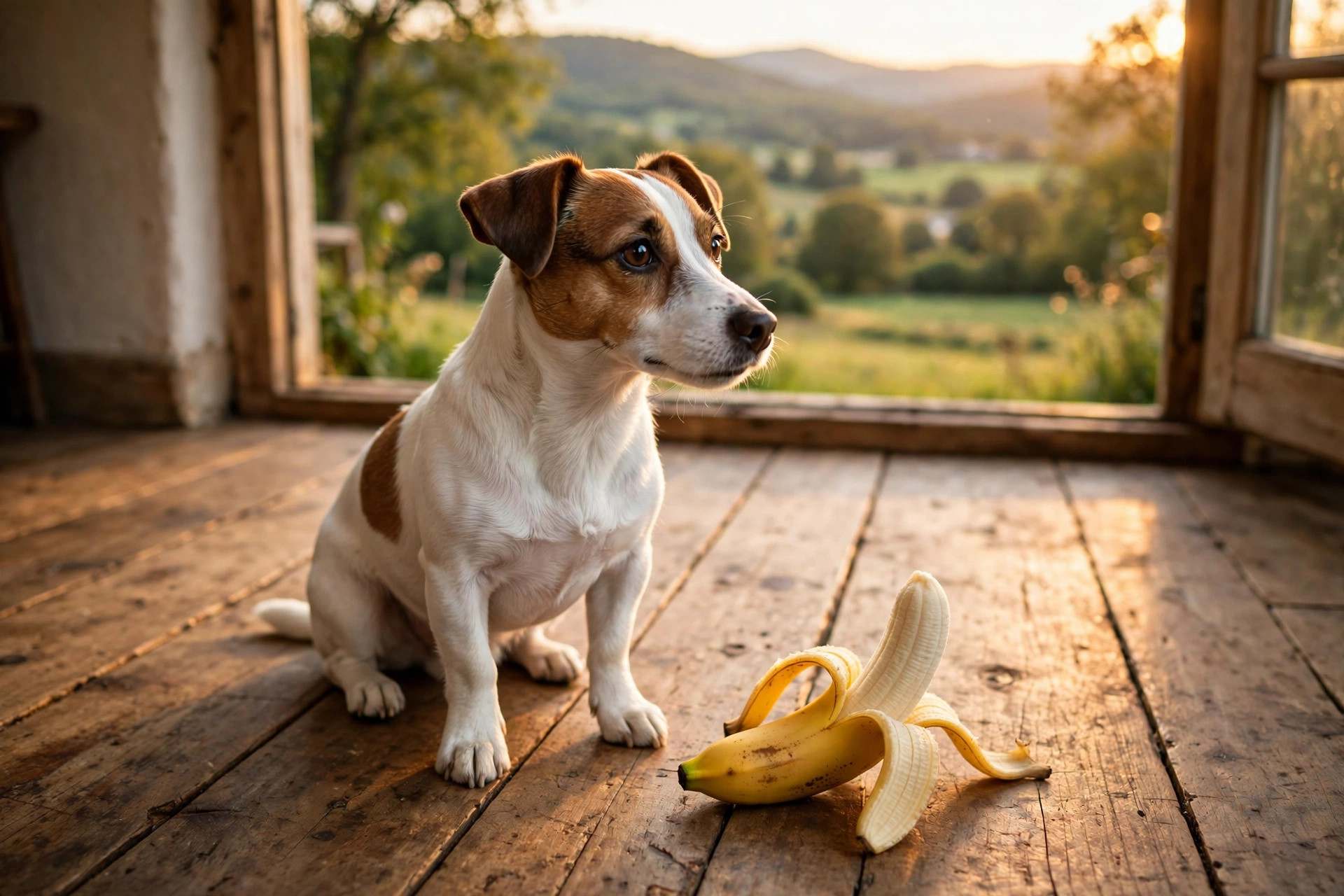
Can Dogs Eat Banana Peel?
Banana peel is not poisonous to dogs, but it is not a good idea to let them eat it. The peel is tough, fibrous and very hard to digest, and in larger pieces it can cause a stomach blockage, particularly in small dogs. It can also cause vomiting or diarrhoea.
Always peel the banana before giving it to your dog, and dispose of the peel where your dog cannot get to it. The same common-sense rule applies to other fruit: the flesh is usually the safe part, while skins, stones and pips are the parts to remove. For a low-sugar alternative that is mostly water, cucumber is an excellent choice, and our article on whether dogs can eat cucumber explains how to serve it safely.
Banana Risks: Sugar, Weight and Sensitive Stomachs
The main downside of bananas is their sugar content. A medium banana contains a meaningful amount of natural sugar, which is fine as an occasional treat but can contribute to weight gain if given daily. Overweight dogs should get smaller portions, less often, and dogs with diabetes should only eat banana if their vet agrees, since the sugar can affect blood glucose levels.
Some dogs have sensitive stomachs and may develop loose stools after eating banana, especially if they eat too much at once. This usually settles on its own, but if your dog has ongoing digestive problems, introduce new foods slowly and in tiny amounts. If vomiting or diarrhoea lasts more than a day, or your dog seems lethargic or in pain, contact your vet.
Frozen banana is a popular summer treat, and it is safe as long as it is plain banana with nothing added. Slice it before freezing so your dog cannot try to swallow a whole frozen banana, which could be a choking risk. Banana chips from the shop are a different matter: many are fried or coated in sugar or honey, so they are far less healthy than a fresh banana.
Fun and Safe Ways to Serve Banana
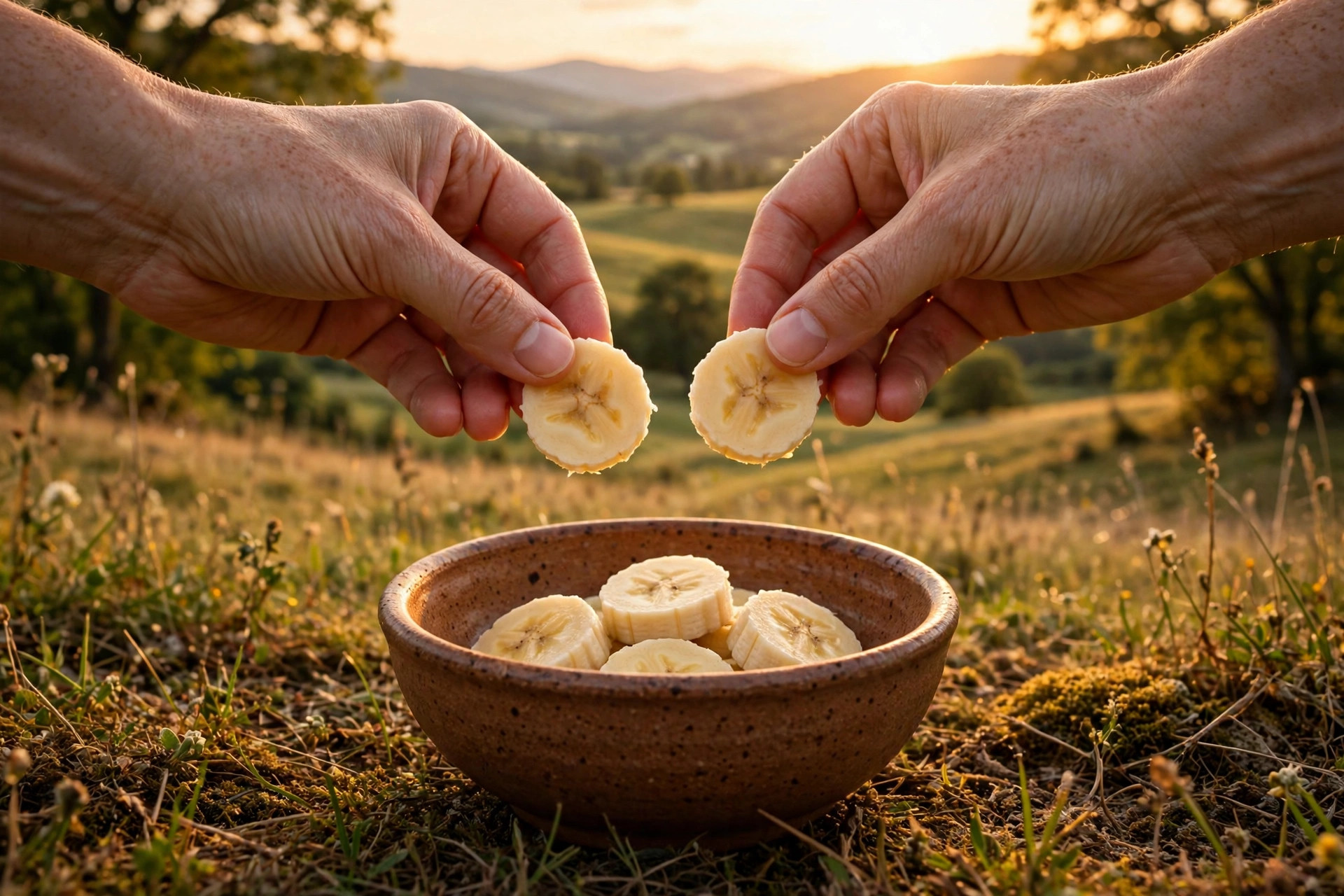
There are plenty of ways to make banana more interesting than a plain slice. Try mashing a little banana into your dog’s regular food, spreading it thinly on a lick mat, or freezing banana slices with a little plain yoghurt in a silicone mould for a cooling summer snack. Stuffing a puzzle toy with mashed banana and freezing it keeps a dog busy and gives it a healthy reward.
Banana also works well as a training treat. Cut it into small, pea-sized pieces so you can reward your dog many times without overfeeding.
For dogs that need a lower-sugar option most of the time, pumpkin is a good alternative: it is low in calories and high in fibre, and our guide on whether dogs can eat pumpkin covers the safe ways to serve it.
Never feed your dog banana bread, banana muffins or banana-flavoured desserts. These often contain chocolate, xylitol, raisins or large amounts of sugar and fat, all of which can be harmful to dogs. Stick to fresh, plain banana.
Foods That Are Dangerous for Dogs
Bananas are safe, but many other foods are not, and it is worth knowing the difference. Chocolate, grapes and raisins, onions and garlic, xylitol, macadamia nuts and alcohol are all toxic to dogs, and even small amounts can cause serious harm. Cooked bones can splinter and cause internal injuries, and fatty foods can trigger pancreatitis.
If you are unsure whether a food is safe for your dog, check the FDA’s list of potentially dangerous items for your pet before offering it. It is a reliable, plain-language reference that covers the most common hazards in the home and kitchen.
When to Ask Your Vet
Most dogs can eat banana without any problem, but a few situations call for veterinary advice first. If your dog is diabetic, overweight, has kidney disease or has a known food sensitivity, ask your vet before adding banana to its diet. Puppies under eight weeks old should not be given treats of any kind, and their diet should be a complete puppy food.
If your dog eats a large amount of banana at once, including the peel, watch for signs of a blockage, such as repeated vomiting, loss of appetite, abdominal pain or an inability to pass stools. These symptoms need prompt veterinary attention, especially in small dogs.
Frequently Asked Questions
Can dogs eat bananas every day?
It is better not to. Bananas are high in natural sugar, so daily feeding can contribute to weight gain. Offer banana as an occasional treat, a few times a week, and keep portions small relative to your dog’s size.
Can puppies eat bananas?
Yes, a puppy over eight weeks old can have a very small piece of ripe banana as an occasional treat. Keep the portion tiny, watch for any digestive upset, and remember that a complete puppy food should provide the vast majority of a puppy’s nutrition.
Can dogs eat banana peel?
No, dogs should not eat banana peel. It is not toxic, but it is tough and hard to digest, and it can cause vomiting, diarrhoea or a blockage, especially in small dogs. Always peel the banana first.
Can dogs eat frozen bananas?
Yes, plain frozen banana is safe and makes a good cooling treat in warm weather. Slice it before freezing so your dog cannot swallow a whole frozen banana, and avoid any frozen banana products with added sugar or flavourings.
Are bananas good for dogs with an upset stomach?
A small amount of plain banana can be gentle on the stomach and may help firm up loose stools thanks to its fibre. However, if your dog has been vomiting or has diarrhoea for more than a day, contact your vet rather than relying on home remedies.
Can diabetic dogs eat bananas?
Only with veterinary approval. Bananas are relatively high in natural sugar, which can affect blood glucose levels. Your vet can advise whether a small occasional portion is safe for your dog’s specific condition.
Leave a Reply