

Can cats eat cheese? If you have ever set down a cheese board and watched your cat materialize out of nowhere, nose twitching, you already know how much they want the answer to be yes. Mine does this every time I open the fridge door near the cheese drawer — she parks herself on the counter and yells until I share or walk away.
The honest answer is less generous than she would like: a tiny piece of plain, firm cheese will not poison a healthy cat, but most adult cats are better off without it. Cheese is not built for a cat’s stomach, it packs a lot of calories into a very small animal, and some cheeses carry risks that go well beyond an upset tummy.
This guide covers the whole picture: why adult cats struggle with dairy, which cheeses are riskier, how much is safe if you do share, how kittens differ from adults, and the treats cats tend to love just as much.
Table of Contents
Can Cats Eat Cheese? The Short Answer
Asked plainly — can cats eat cheese? Yes, within strict limits. PetMD’s veterinary guidance states that cheese is not toxic to cats and can be a nutritious treat in moderation, but many — perhaps most — cats are either lactose-intolerant or allergic to dairy, and those cats should not be fed dairy at all. For a healthy adult cat that has tolerated dairy before, the limit is a dice-sized cube, once or twice a week.
That limit is smaller than most owners expect, and it is an upper limit, not a daily target. PetMD notes that a one-ounce square of cheddar for a cat is roughly comparable to a person eating two and a half cheeseburgers — which shows why a “small” piece of cheese is not small at all to a nine-pound animal.
Why Most Adult Cats Can’t Handle Dairy
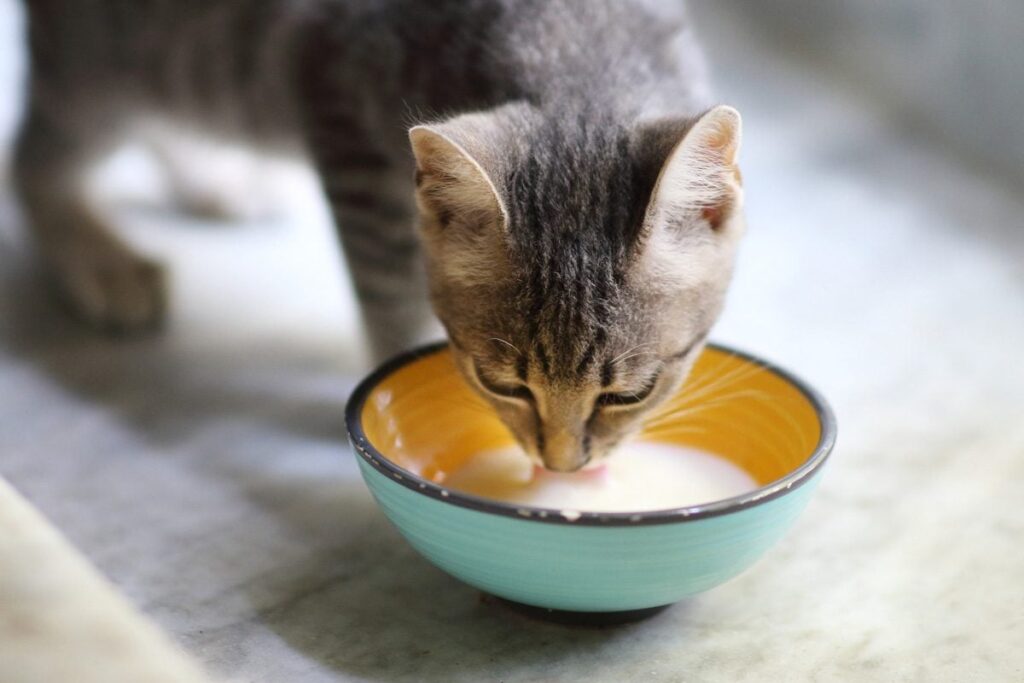
The classic image of a cat lapping a saucer of milk is one of the most misleading pictures in pet culture. Kittens produce plenty of lactase, the enzyme that digests lactose, the main sugar in milk. As cats grow up and stop nursing, lactase production falls away — in most adult cats, far enough that dairy becomes difficult to digest. The ASPCA explains that pets generally do not produce significant amounts of lactase, and Cornell University’s Feline Health Center notes that many cats are lactose intolerant and develop stomach and bowel problems from dairy.
When undigested lactose reaches the large intestine, gut bacteria ferment it, producing gas and drawing water into the bowel. That is the familiar pattern of dairy upset: soft stools or diarrhea, gas, and a tender belly, sometimes within hours of eating. Tolerance varies a lot from cat to cat, so a first taste should be half a dice-sized piece, followed by a day of watching for a reaction.
There is also a difference worth knowing between intolerance and allergy. Intolerance is a digestive problem caused by the missing enzyme. A true dairy allergy involves the immune system and can show up as itchy skin, inflamed ears, or recurring stomach trouble. Either way, the response is the same: if dairy repeatedly upsets your cat, stop offering it and mention it to your veterinarian.
An Obligate Carnivore Has No Use for Cheese
Cats are obligate carnivores, designed to get their nutrition from animal tissue, and a complete, balanced cat food already provides everything they need — protein, calcium, vitamins, and minerals included. Cheese adds nothing essential that a good cat food lacks. What it does add is fat, salt, and calories that a small, often indoor, animal does not need.
Salt is the quieter problem. Many cheeses are salty, and salty treats are a poor fit for cats with kidney or heart conditions — Tufts University’s veterinary guidance specifically warns against cheese for cats who need to lower their salt intake or who have a heart condition. A single crumb will not cause salt poisoning, but cheese is a strange thing to spend a cat’s treat budget on when the same budget could buy plain meat.
Can Cats Eat Cheese in Tiny Amounts? How Much Is Safe
If your cat is healthy, has tolerated dairy before, and you still want to share, here is the safe way to do it. Pick a plain, firm cheese — cheddar or Swiss are the usual choices. Cut a piece no bigger than a dice, then break it into smaller bits so your cat does not gulp it whole. Offer it once or twice a week at most, and count it inside the 10% treat budget, not on top of it.
The first time, go smaller than you think you need to: half a dice-sized piece, then watch your cat for a full day. Normal behavior, normal litter box, normal appetite means she probably tolerated it. Soft stools, gas, vomiting, or hiding away means cheese is off her menu, and there is no point testing it again next week hoping for a different result. Some owners also use a smear of soft cheese to hide a pill, and vets do sometimes suggest this — but ask your own vet first, because a cat who is lactose intolerant will pay for the trick with an upset stomach, and a cat on a prescription diet should not be getting outside food at all.
Which Cheeses Are Riskier for Cats
If you do share a piece, the variety matters a great deal. A useful test when shopping: can cats eat cheese from the deli counter? Only if it is plain, firm, and unseasoned. PetMD’s veterinary guidance draws a clear line: firm, plain cheeses are the better choice, while softer cheeses, usually much higher in lactose, should be avoided.
The firmer, lower-lactose options, in tiny amounts, for a cat who tolerates dairy:
- Cheddar: plain, aged cheddar is lower in lactose than most cheeses and is the most commonly recommended choice. Flavored varieties are not.
- Swiss: typically plain and low in lactose, served in bite-sized pieces.
- Parmesan: hard and aged, so lower in lactose — but very salty, so the piece should be smaller than small.
- Provolone: better tolerated than mozzarella by many cats, and the firmer of the two common string-cheese types.
- Gouda: its curds are traditionally washed during processing, which removes a portion of the lactose.
- Goat cheese: PetMD lists it as an option, with the caveat that it is higher in fat and lower in vitamin D than cow’s-milk cheeses.
The riskier list includes:
- Cream cheese and cottage cheese: soft and relatively high in lactose, so they are among the most likely to trigger vomiting and diarrhea. Note the contrast with dogs, for whom cottage cheese is often recommended — the species digest dairy differently.
- Mozzarella and string cheese: mozzarella is a soft cheese with a high lactose content, and PetMD advises against sharing string cheese with cats. Most string cheese is mozzarella, sometimes mixed with firmer provolone.
- Brie and Camembert: soft, high-lactose cheeses; soft cheeses made with raw milk can also carry bacteria such as Salmonella or Listeria.
- Blue cheese: mold-ripened and best avoided. The mould that gives Stilton, gorgonzola, and Roquefort their veins can be toxic to cats, and blue cheese is also high in fat and salt.
- Processed American cheese: very high in carbohydrates for a cat’s needs and heavily processed, with added salt and emulsifiers.
- Salty cheeses like feta and halloumi: a nibble will not cause salt poisoning, but these are poor treats for a small animal, and a bad choice for any cat with kidney or heart trouble.
Cheeses You Should Never Share
Some cheeses are not a question of portion — they are a flat no. Any cheese seasoned with garlic, onion, or chives is the most serious risk on this list. Cats are especially sensitive to onion and garlic, which can damage red blood cells, with signs sometimes appearing days later. The Merck Veterinary Manual describes cats as the species most susceptible to onion and garlic toxicosis. Never offer a flavored cheese, a cheese spread, or a cheese ball rolled in herbs, and check the label on anything that looks seasoned — onion and garlic powder hide in a surprising number of flavored products.
Cheese spreads and processed cheese products belong in the same no pile: high in salt and additives, with nothing a cat needs. Smoked cheeses are also best skipped, since smoking usually comes with extra salt and flavorings. And if a piece of cheese has gone moldy beyond its intended ripening — the fuzzy green stuff on a forgotten block in the fridge — throw it away rather than trimming it and offering the rest.
Can Cats Eat Cheese on Pizza, Pasta, or in Cooked Food?
Cooking does not fix cheese for a cat. Melted mozzarella on pizza is still mozzarella — high in lactose — and pizza adds tomato sauce, salt, and often garlic and onion to the deal. Macaroni and cheese is worse: soft cheese, butter, milk, and salt in one bowl.
Cheese-based human foods deserve the same caution across the board. Cheesecake combines soft cheese with sugar and other ingredients that can upset a cat, and cheese crackers are essentially empty calories — PetMD lists them as a no-go. The same goes for cheesy bread, cheese sauce on vegetables, and fondue. If cheese is an ingredient in a human dish rather than a plain piece you measured yourself, the answer is no.
Kittens vs. Adult Cats: A Key Difference
It seems logical that kittens, who drink milk, should handle cheese better than adults — and in one narrow sense they do, since kittens still produce lactase. But that does not make cheese or cow’s milk a good idea for kittens. A kitten’s nutrition should come from its mother’s milk or, for orphaned kittens, a proper kitten milk replacer. Cow’s milk is not a substitute: it has the wrong balance of nutrients and can still cause diarrhea in a young, fragile digestive system.
As kittens are weaned, lactase production declines, and by adulthood most cats sit firmly in the lactose-intolerant camp. So the rule is the same at every age: kittens do not need cheese, and adult cats mostly cannot digest it well. The only real difference is timing — a kitten who gets cheese early learns to beg for it, and then keeps begging as an adult whose stomach handles it worse. Senior cats are in the same boat: older cats often have more sensitive digestion or kidney issues, and a hard cube of cheese is a poor treat for them. If your senior cat has never had cheese, there is no reason to start now.
Cats Who Should Skip Cheese Entirely
For some cats, the dice-sized-cube guidance does not apply at all — the answer is simply no. Skip cheese, and ask your vet about treats in general, if your cat:
- Has inflammatory bowel disease, diabetes, liver disease, or pancreatitis — PetMD singles out all four conditions for a proactive vet call before any dairy.
- Is overweight or on a weight-management plan, since cheese calories are dense and easy to underestimate.
- Has kidney or heart disease, or needs a low-salt diet.
- Is on a prescription diet, which should not be diluted with outside food.
- Has shown a dairy allergy before — itchy skin, ear inflammation, or recurring stomach trouble after dairy.
- Is recovering from vomiting, diarrhea, or any stomach upset, when even a small rich treat can set recovery back.
If your cat falls into any of these groups and still begs, that is a sign to find a treat that fits their plan, not a reason to make an exception.
What to Do If Your Cat Eats Cheese
First, work out what and how much. A crumb of plain cheddar stolen off the counter is a different situation from a slice of garlic-and-herb cheese spread eaten while you were not looking. For a healthy cat who ate a small amount of plain cheese, the usual advice is to monitor at home: watch for vomiting, diarrhea, gas, a tender belly, or reduced appetite over the next day or two. Keep fresh water available, feed their normal food, and skip further treats until their stomach settles.
Call your veterinarian if vomiting or diarrhea persists, if your cat stops eating or drinking, or if your cat has one of the conditions listed above. Seek care sooner — and do not wait for symptoms — if your cat ate cheese seasoned with garlic or onion, since red blood cell damage can develop over days and early signs like pale gums or unusual tiredness are easy to miss. When you call, tell the vet the type of cheese, roughly how much, and when it happened; that detail decides whether the advice is “watch and wait” or “bring them in.”
Better Treats Cats Actually Prefer
Most cats are not really asking for cheese — they are asking for something tasty, smelly, and interesting. These alternatives deliver that without the lactose problem. Small pieces of plain cooked chicken or turkey are lean, high-protein, and suited to a carnivore’s digestion — our guide on whether cats can eat turkey covers safe preparation and portions. A little cooked egg is another protein-rich option cats often love — see whether cats can eat eggs for how to serve it safely. Freeze-dried meat treats give the strong smell and chewy texture cats enjoy, and commercial cat treats are portion-controlled, so they fit the 10% treat budget far more easily than cheese.
One note for multi-pet households: cheese rules differ between species. A cheese tolerated by a dog may still upset a cat — cottage cheese, for example, is often suggested for dogs but is on the avoid list for cats. If you share your home with both, read how the same food questions play out for dogs before assuming one pet’s treat is safe for the other.
Frequently Asked Questions
Can cats eat cheese as kittens?
Kittens do not need cheese, and it is best not to offer it. Orphaned kittens need a kitten milk replacer, not cow’s milk or dairy, and weaning kittens should move onto kitten food. A tiny taste is unlikely to cause harm, but it teaches a habit that will serve the adult cat badly.
Can cats eat cheese such as mozzarella?
It is best avoided. Mozzarella is a soft cheese with a relatively high lactose content, and PetMD lists it among the cheeses to avoid for cats — including string cheese, which is usually mozzarella. Provolone is better tolerated, but a tiny piece of a firm cheese is safer overall.
Can cats eat cheese every day?
No. Even for a cat who tolerates dairy, cheese should stay at a dice-sized cube once or twice a week at most, inside the 10% treat budget. Daily cheese adds up fast in calories, fat, and salt, and it leaves less room for treats that actually suit a cat.
Can cats eat lactose-free cheese?
Lactose-free cheese removes the lactose problem but not the fat and salt. It is a less risky option than regular cheese for a dairy-tolerant cat, but it is still a rare treat, not a daily one — and if your cat has a health condition, ask your vet before offering it.
What should I do if my cat eats cheese?
If your cat is healthy and ate only a small amount of plain cheese, monitor them at home for vomiting, diarrhea, or reduced appetite over the next day or two. Most cats will be fine apart from mild upset. Call your veterinarian if symptoms persist, if your cat has an underlying condition, or if the cheese contained garlic, onion, or chives.
Is cheese toxic to cats?
Plain cheese itself is not considered toxic to cats, which is why a stolen crumb is rarely an emergency. So can cats eat cheese at all? Yes, in tiny amounts — but “not toxic” is not “good for them,” and for most cats cheese is a treat to skip.
Can cats eat cheese to hide medicine?
Vets sometimes suggest hiding a pill in a small piece of soft food, and cheese is one option owners reach for. It can work for a cat who tolerates dairy, but ask your vet first — a lactose-intolerant cat will trade one problem for another. Pill pockets made for cats, or a tiny piece of plain cooked meat, are usually the safer vehicle.
For a veterinarian-written guide to safe varieties and serving sizes, see PetMD’s article on whether cats can eat cheese. If your cat is happy on their regular food, they do not need cheese — a treat made for cats will make them just as happy, with none of the risk.
Leave a Reply