
Table of Contents
Can dogs eat Christmas dinner? If you have ever sat down to a roast with a hopeful dog staring up at you, you know how hard that question feels in the moment. The short answer is yes, a dog can have a small taste of Christmas dinner, but only if you pick the right foods and leave most of the plate alone. A Christmas roast is not dog food with extra gravy on top. It is a rich, salty, seasoned meal made for people, and a few of its most ordinary ingredients are genuinely dangerous for dogs.
I have watched this play out in my own house. One year a guest slipped our dog a spoonful of stuffing when nobody was looking, and we spent the rest of the evening watching a very sorry dog with an upset stomach. Nothing terrible happened, but it taught me a simple rule that I still use: set the dog’s portion aside before the food is seasoned, buttered, or sauced. If you wait until the plates are served, every safe choice has already been mixed with something unsafe.
This guide walks through the whole Christmas plate, food by food, so you can answer the question with confidence instead of guesswork. You will find what is safe in a small amount, what should stay off the dog’s plate completely, how much is too much, and what to do if your dog grabs something they should not have. The food-safety points here follow guidance from PetMD and the ASPCA, and if your dog has a health condition or a prescribed diet, your vet’s advice comes first.
Can Dogs Eat Christmas Dinner Safely?
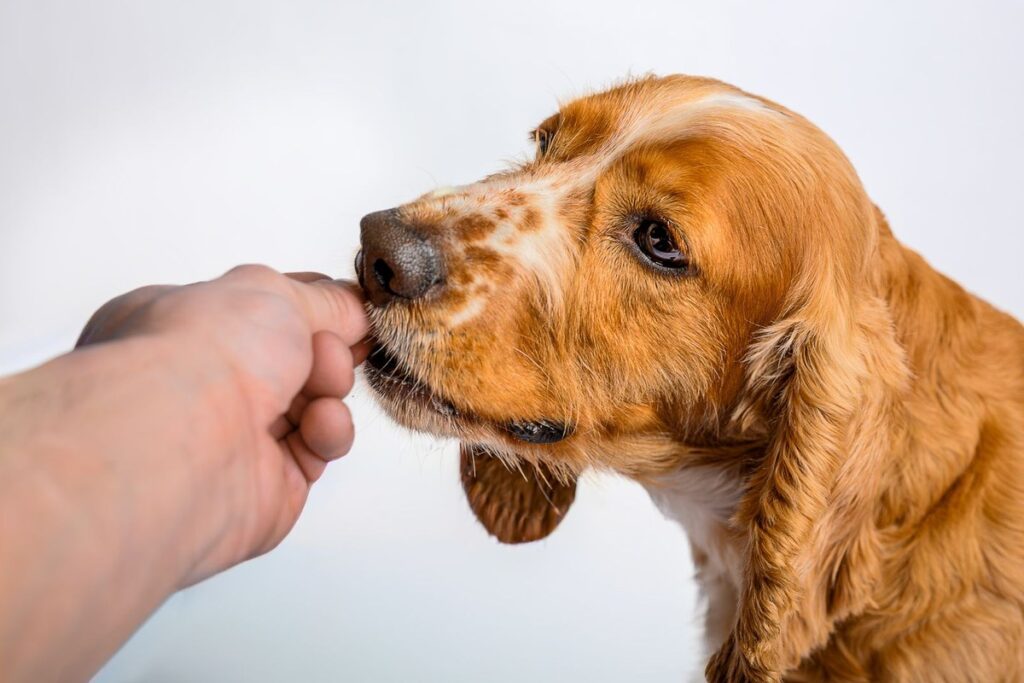
Yes, dogs can eat parts of Christmas dinner, but the safest version looks nothing like your plate. Think plain, cooked, boneless, skinless meat, plus a spoonful or two of plain cooked vegetables, served in the dog’s own bowl and counted as part of their treats for the day. PetMD’s general guidance on sharing human food is clear on the portion point: keep treats, including table food, to less than 10 percent of your dog’s daily calories. That is the rule that keeps a festive taste from turning into a stomach upset.
The reason portions matter so much is fat. Christmas cooking leans heavily on butter, skin, drippings, and rich sauces. A dog’s stomach handles a sudden fatty meal badly, and in some dogs a single rich meal can trigger pancreatitis, a painful inflammation of the pancreas that needs veterinary treatment. Small dogs, puppies, older dogs, and dogs who already have digestive problems or pancreatitis are at higher risk, so they should get an even smaller taste, or none at all, if your vet has said so.
It also helps to decide the plan before dinner. Tell guests, especially children, that the dog has their own bowl and that nobody should feed from the table. Put the dog’s portion aside early, keep the dog out of the kitchen while you carve, and give them a chew or a stuffed toy while everyone eats. That last trick works better than scolding a begging dog all evening.
The Safe List: What Dogs Can Eat at Christmas Dinner
Start with the foods that are safe when they are plain and cooked. Plain means no butter, no salt, no seasoning, no sauce, and no skin. If a food only tastes good because of what was added to it, it probably is not a dog food.
Plain Cooked Turkey
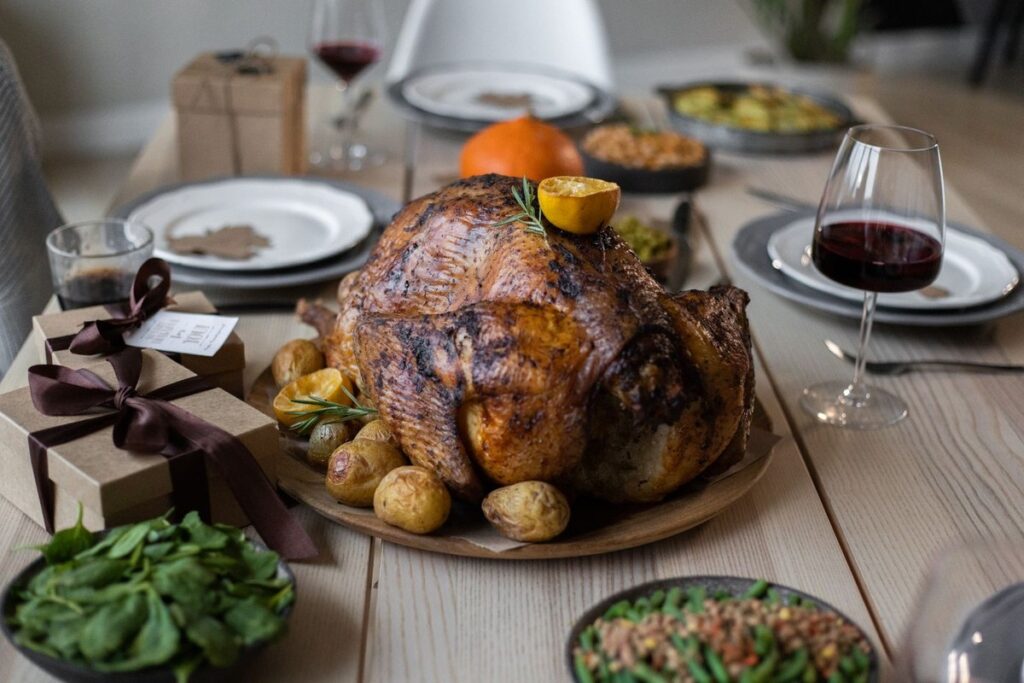
Plain, fully cooked turkey meat is the safest part of Christmas dinner for most healthy adult dogs. PetMD’s turkey guidance says the meat should be cooked without seasonings, with the skin, bones, and fat removed, and served in small portions. Take meat from inside the bird, away from the seasoned outer layer, and cut it into small pieces. White meat is usually the easiest choice, but plain dark meat in a small amount is also fine for most dogs.
For a closer look at turkey on its own, see our guide on can dogs eat turkey, which covers portions and warning signs in more detail. The same plain-and-small rule applies here, and it applies again at Christmas because the bird on the table is usually seasoned, buttered, and basted in its own fat.
Plain Cooked Vegetables
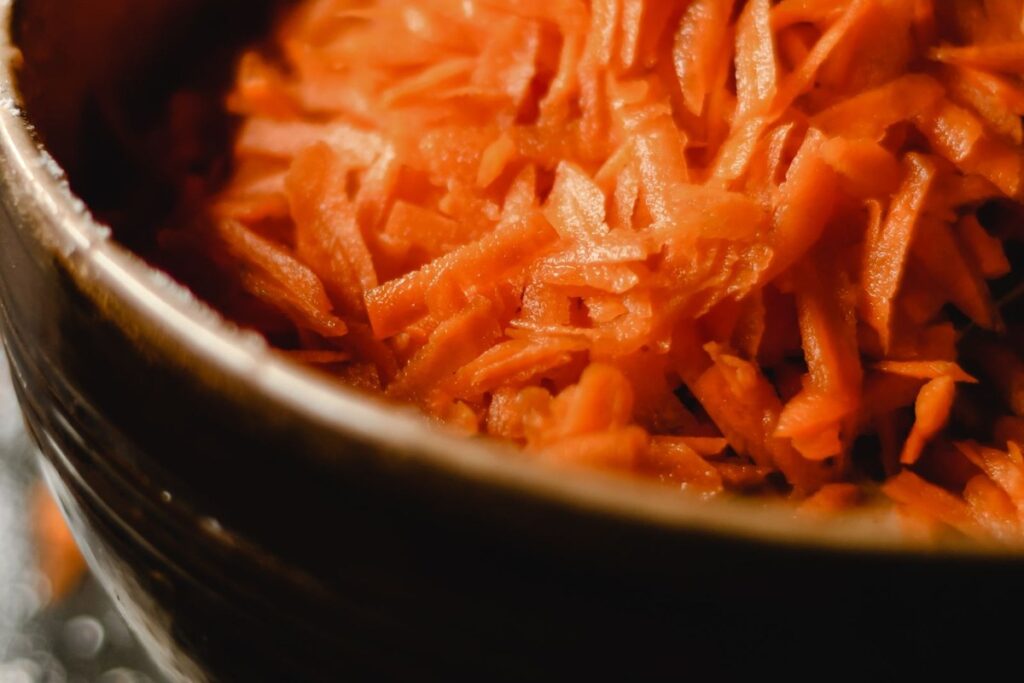
Plain cooked carrots, green beans, peas, and sweet potato are all good choices in small amounts. Cook them without butter, salt, or seasoning, and let them cool before serving. A spoonful of plain mashed sweet potato, for example, is a far better treat than a spoonful of sweet potato casserole topped with marshmallows and brown sugar.
Plain mashed potato is a similar story, but only when it is truly plain. Potatoes on their own, cooked and mashed without butter, cream, salt, garlic, or cheese, can be given in a small amount. The moment you add the usual mash ingredients, it stops being a dog treat and becomes a rich side dish. Our guide on can dogs eat mashed potatoes explains where that line sits.
Plain Cranberry Sauce, With a Catch
Fresh cranberries, cooked down with water and nothing else, are safe in a small amount, but most cranberry sauce from a jar or a can is loaded with sugar. A tiny taste of a low-sugar, plain version is unlikely to harm a healthy dog, yet the sweet canned kind is not worth it. If you are not sure what went into the sauce, skip it. There is a fuller breakdown in our guide on can dogs eat cranberry sauce, including why the sugary versions are best avoided.
Other Small, Safe Tastes
Plain cooked pumpkin, plain rice, and a small piece of plain bread are also fine for most dogs. Plain cooked eggs, if you have them on the table, are safe too. None of these need to be a big serving. A taste is the point. Your dog does not know the difference between a small festive portion and a large one, but their stomach certainly does.
The Danger List: Christmas Foods Dogs Must Not Eat
Some Christmas foods are not just rich, they are toxic. Keep these completely out of reach, including leftovers, dropped scraps, and food left on low tables or in open bins.
Onion, Garlic, Leeks, and Chives
Onion and garlic are toxic to dogs in every form, including cooked, dried, and powdered. They damage red blood cells and can cause anemia, and the signs may not appear for a few days. This is why stuffing, gravy, seasoned roast meat, and many marinades are off the list: they are seasoned with exactly these ingredients. A dog does not need to eat a whole onion to be at risk, and repeated small amounts over a few days can add up.
Grapes, Raisins, and Currants
Grapes and raisins can cause sudden kidney failure in dogs, and there is no reliably safe amount. They hide in Christmas food more often than people expect: in stuffing, in fruitcake, in mince pies, in some salads, and in cheese boards. If a dish contains raisins or currants, keep the whole dish away from the dog, not just the fruit itself.
Chocolate, Xylitol, and Alcohol
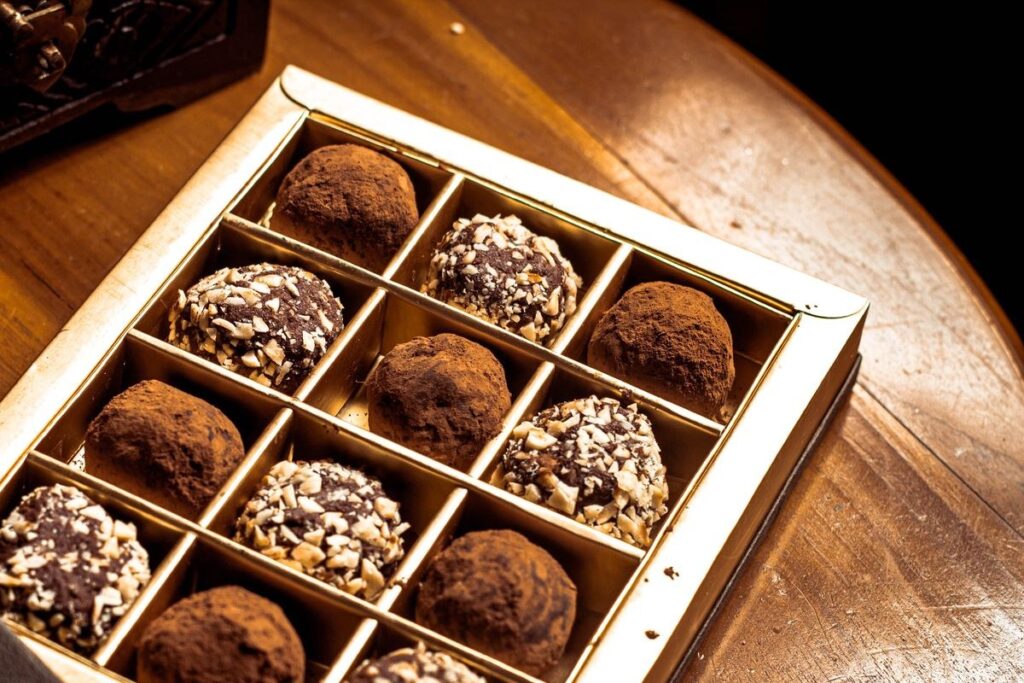
Chocolate contains theobromine, which dogs process slowly, and dark or baking chocolate is more dangerous than milk chocolate. Xylitol, a sweetener found in sugar-free candy, gum, some peanut butters, and some baked goods, can cause a dangerous drop in blood sugar and liver damage in dogs. Alcohol is toxic to dogs as well, so keep drinks, including eggnog and mulled wine, well out of reach and clean up spills right away.
Turkey Skin, Bones, Gravy, and Stuffing
Turkey skin is very high in fat and is one of the fastest routes to an upset stomach or pancreatitis. Cooked bones can splinter and cut the mouth or digestive tract, or cause a blockage, so no bones at all, not even a small wing bone for a large dog. Gravy is usually fatty, salty, and made with stock that may contain onion or garlic. Stuffing is typically seasoned with onion, garlic, sage, and butter, and may contain raisins. All four belong in the bin, not the bowl.
Ham, Sausages, and Rich Processed Meat
Ham and sausages are salty and fatty, and many are seasoned with onion or garlic. They are not poisonous in the same way as grapes or chocolate, but they are a poor choice and a common cause of Christmas stomach upsets. A dog who eats a pile of ham is likely to spend the night vomiting or with diarrhea, and dogs prone to pancreatitis should avoid fatty meat entirely.
How Much Christmas Dinner Can a Dog Have?
Use the 10 percent treats rule as your ceiling, not your target. All treats combined, including the Christmas taste, should stay under about 10 percent of your dog’s daily calories. For a small dog, that might mean two or three thumbnail-sized pieces of plain turkey and a spoonful of plain vegetables. For a large dog, a small handful of plain turkey and a couple of spoonfuls of vegetables is plenty.
If your dog has never had turkey before, start with a single small piece and wait to see how they react before offering more. Do not introduce three new foods at once on Christmas Day, because if their stomach turns, you will not know which food caused it. And if your dog is already getting treats, chews, and a special dinner from different family members, that allowance is used up fast. One person should be in charge of the dog’s portion.
It is also worth thinking about the rest of the day, not just dinner. Dogs get into trouble at Christmas through dropped food, unattended plates, open bins, and well-meaning guests. A dog who eats a little plain turkey at dinner and then steals stuffing from a low coffee table has not had a small taste anymore. Keep plates out of reach, tie bin bags shut, and clear food away promptly.
Building a Safe Christmas Bowl for Your Dog
The easiest way to let your dog join in is to build their bowl before you season anything. While you are preparing the turkey, set aside a small piece of plain meat before it goes into the oven or before you butter and season the bird. Cook a small portion of vegetables separately, without butter or salt, or simply take plain vegetables out of the pot before you finish the dish for people.
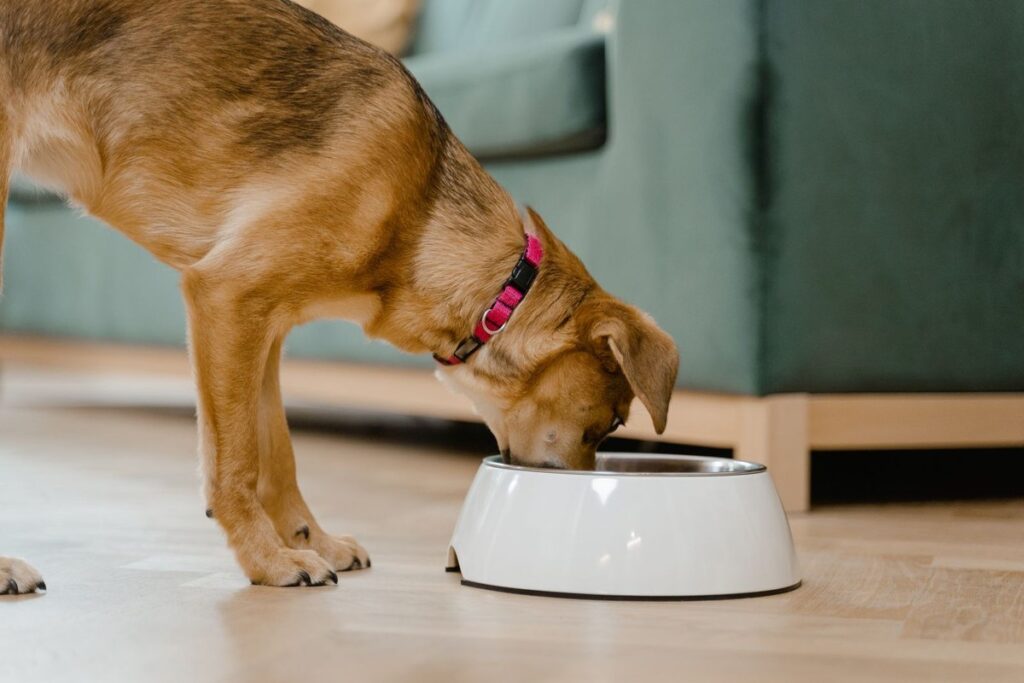
Serve the dog’s portion in their own bowl, mixed with a little of their normal food so it feels like a meal rather than a pile of scraps. Give it to them at the same time as everyone sits down, ideally in their usual spot, with a chew to follow. That routine keeps them happy and keeps them away from the table.
If you want to go a step further, freeze a little plain turkey and plain vegetables in a stuffed toy or a lick mat. It lasts longer than a bowl of scraps, it keeps the dog busy while you eat, and it removes the begging problem almost entirely. I have found that a busy dog is a dog who is not counter-surfing.
What to Do If Your Dog Eats Something Toxic
If your dog eats chocolate, grapes, raisins, xylitol, or a large amount of onion or garlic, call your vet or an emergency vet clinic right away, or call the ASPCA Animal Poison Control Center. Do not wait for symptoms, and do not try to make your dog vomit at home unless a vet specifically tells you to, because that can cause further harm in some situations.
When you call, have the details ready: what your dog ate, roughly how much, when they ate it, and your dog’s weight if you know it. Keep the packaging if there is any, because the vet may need to know the type of chocolate or whether a product contained xylitol. If your dog ate cooked bones, watch closely for choking, gagging, drooling, vomiting, abdominal pain, straining, constipation, lethargy, or blood in vomit or stool, and contact your vet promptly if any of those appear.
For a mild stomach upset after rich food, the usual pattern is vomiting or diarrhea that settles within a day. Offer fresh water, keep food simple, and call your vet if symptoms continue, if your dog cannot keep water down, if they seem in pain, or if the dog is a puppy, a small breed, or a dog with a health condition. When in doubt, a phone call is always cheaper than a wait-and-see approach that goes wrong.
Christmas Dinner Foods at a Glance
- Safe in a small amount: plain cooked turkey, plain cooked carrots, green beans, peas, sweet potato, pumpkin, rice, and plain bread.
- Safe only if truly plain: mashed potato without butter, cream, salt, garlic, or cheese; cranberry sauce without added sugar.
- Avoid: turkey skin, cooked bones, gravy, stuffing, ham, sausages, buttered or seasoned vegetables, and rich desserts.
- Toxic, keep away completely: onion, garlic, leeks, chives, grapes, raisins, currants, chocolate, xylitol-sweetened products, and alcohol.
- Portion rule: all treats together stay under about 10 percent of daily calories.
For a general vet-reviewed list of foods dogs can and cannot eat, PetMD’s guide is a useful reference: PetMD: What Can Dogs NOT Eat?
Frequently Asked Questions
Can dogs eat Christmas dinner turkey with gravy?
No, turkey with gravy is best avoided. Gravy is usually high in fat and salt and may contain onion or garlic, both of which are toxic to dogs. Plain turkey without gravy is a much safer treat.
Can dogs eat Christmas dinner leftovers the next day?
Plain turkey that has been stored safely in the fridge and is still fresh can be given in a small amount, as long as it is boneless, skinless, and unseasoned. Throw away leftovers that have been sitting out for hours, or that are more than a few days old. Seasoned leftovers, stuffing, and gravy should not be given at all.
Can dogs eat Christmas pudding or mince pies?
No. Christmas pudding and mince pies usually contain raisins, currants, and alcohol, and many contain suet and sugar as well. Keep them completely away from dogs.
Can dogs eat pigs in blankets?
It is best not to. Sausages wrapped in bacon are fatty and salty, and they are often seasoned. A small piece is unlikely to poison a healthy dog, but it is a common cause of stomach upsets, and dogs prone to pancreatitis should avoid them.
What should I feed my dog instead at Christmas?
A small bowl of plain cooked turkey and plain vegetables, mixed with their normal food, plus a long-lasting chew or a stuffed toy. Your dog gets to join in, and you get to eat your dinner without worrying about what is going into their bowl.
Leave a Reply